Beyond the Broadcast: Our Bold New Season Begins. Watch Now ->
Beyond the Broadcast: Our Bold New Season Begins. Watch Now ->

After Hamas launched 150 rockets and mortar shells at Israeli communities last week, Israel actively defended its citizens by striking more than 140 Hamas military targets, including terrorist training compounds, weapons manufacturing facilities, storage warehouses and rocket launch sites.
It was the largest exchange of fire since the war between Israel and Gaza in 2014.
Israeli spokespersons warned that war between Israel and Gaza was close, telling southern Israel residents to remain near bomb shelters during the weekend. A military spokesman said the government was prepared to evacuate communities if war broke out.
“Since the start of the ‘March of Return,’ Hamas has claimed 168 dead, another 4,348 wounded and dozens of terror infrastructures destroyed,” Defense Minister Avigdor Liberman told The Jerusalem Post last week. “The question of the next round of fighting is not ‘whether’ but ‘when.’ I’m sure we’ll do what is needed.”
Ten years of Israel’s sanctions and blockades have deteriorated humanitarian conditions in the Gaza strip. Gazans are protesting, and the world blames Hamas.
The Washington Post reported that, “The 140 square-mile strip of land, under partial blockade by Israel for more than a decade, suffers from chronic unemployment and a lack of infrastructure and services.”
Hamas’ desire to terrorize Israel “and thus be relevant, and the fact that Iran is also funding Hamas and wants it to be a thorn in Israel’s side,” is part of a larger struggle, wrote Seth J. Frantzman in The Jerusalem Post on Friday. Frantzman, a fellow at the Jerusalem Institute for Market Studies, added, “Each side seeks some strategic gain from Israel, Hamas and Gaza.”
Hamas’ escalation appears to be a carefully orchestrated strategy to pull Israel into nearly constant fighting. But this scheme failed in Hamas’ goal to turn the world against its rival, Israel.
March: Following a bungled assassination attempt against the Palestinian Authority (PA) prime minister and the PA reducing aid to Hamas, Hamas launched weekly “Great March of Return” riots against Israel’s security fence. In these protests, Hamas used civilians to hide their activity. The protests resulted in hundreds of Gazans dead and thousands more injured.
April–June: Hamas ratcheted up tensions by firing rockets and mortars into Israeli communities and using incendiary kites to burn thousands of acres of farmland and national parks.
July–August: Amid many warnings of impending war by Israel, Hamas continued to escalate its attacks against Israeli communities and soldiers. U.S. President Donald Trump’s son-in-law and senior advisor on the Middle East co-authored an op-ed in The Washington Post suggesting the best path to peace would be an end to U.N. humanitarian aid to Hamas.
These events culminated in last week’s attack by Hamas and Israel’s defensive strikes.
As part of a cease-fire agreement, Israel demands that Hamas stop its rocket launches, sniper fire and launch of incendiary kites and balloons over the border.
The Washington Post reported that Hamas and Israel have opened channels for indirect talks on prisoner exchanges, although the talks are stalled.
“We’ve said all along that, in order to reach a comprehensive peace agreement, we need to somehow figure out how to resolve Gaza, not just from a humanitarian level,” an anonymous senior Trump administration official told The Washington Post. “You have 2 million Gazans suffering there because of Hamas.”
Ynet News reported that Prime Minister Benjamin Netanyahu met with his cabinet on Sunday.
“We are in the midst of a campaign against terror in Gaza,” Netanyahu said at the meeting. “It entails an exchange of blows; it will not end in one strike.
“Our demand is clear,” he continued. “Our objective is to restore the quiet for residents of the south and for the area adjacent to the Gaza Strip. This goal will be achieved in full.”
Wisdom for those taking part in peace talks
God to intervene against those who use violence to promote their anti-Israel agendas


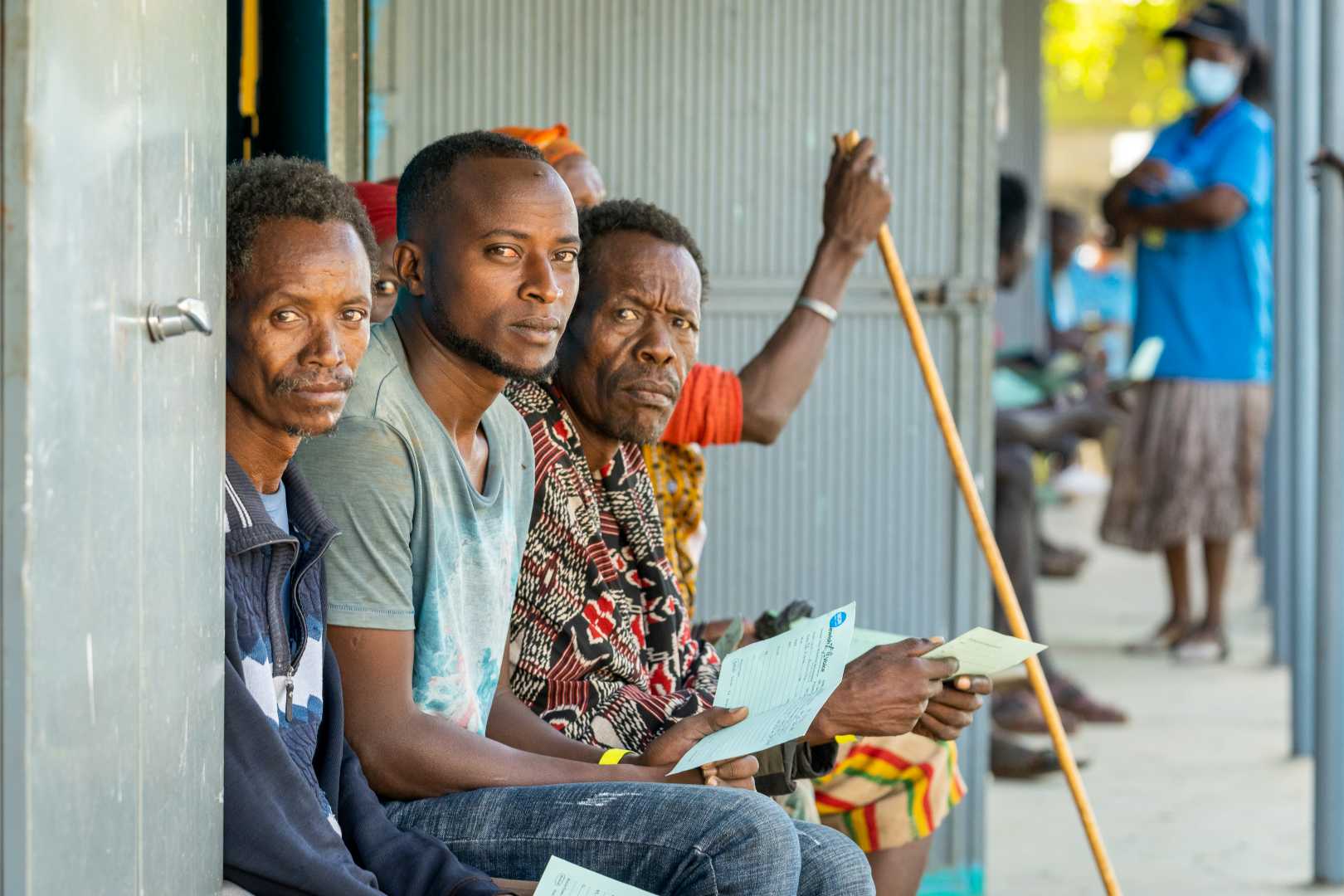
Ora por dos alcances dirigidos localmente este mes: la congregación Beta Avraham de Etiopía sirviendo a la comunidad judía de Kechene y la primera clínica médica dirigida por los Lemba en Zimbabue.

Únete a nosotros en la oración por Israel y el pueblo judío durante Rosh Hashanah y Yom Kippur. Seis puntos de oración para la revelación, el arrepentimiento y la salvación.

Shelby Saemann tells the story of her middle-of-the-night visitation from Jesus and how it changed her life. “I was terrified but in the safest moment of my life at the same exact time.” Check out her story here and at www.jewishvoice.tv.
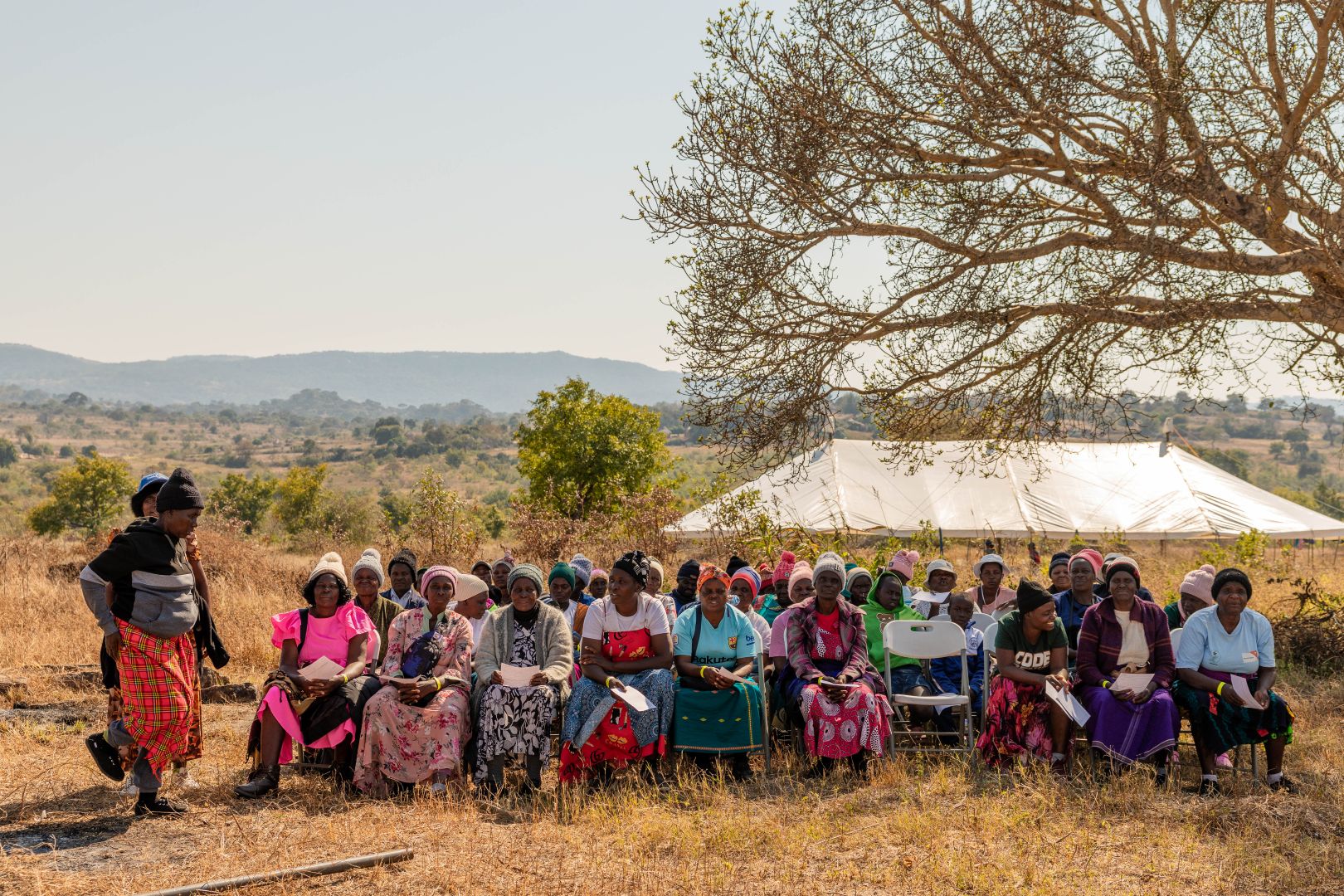
Descubre cómo un programa de atención médica en Zimbabue trajo sanación y esperanza. Más de 8,400 personas recibieron atención, 302 profesiones de fe, y ocurrieron sanaciones milagrosas.

Where is Jewish Voice going next? We’re headed to Malawi to bring humanitarian aid in the form of medical, dental, and eye care to a Jewish community and their neighbors of all faiths. We’ll also be praying for and sharing the Gospel with those who come to our voluntary prayer room. Here are ways you can pray day by day for this Medical Outreach.