Beyond the Broadcast: Our Bold New Season Begins. Watch Now ->
Beyond the Broadcast: Our Bold New Season Begins. Watch Now ->

Israel is an ancient land. Stones and bricks that are thousands of years old remain amid the modern hustle and bustle of the 21st Century State of Israel. So it isn’t surprising that relics of the past are uncovered there even today. One such discovery of a curious symbol dates back to the second or third century A.D. Today it’s known as the Grafted In symbol or the Messianic Seal – and it’s one of the most inspiring emblems believed by some to reveal Jewish and Gentile Believers in Jesus living as one body of Messiah followers.
The Grafted In symbol consists of three iconic images aligned vertically: the Jewish menorah, the Star of David and the Christian ichthus (fish) symbol.
The menorah sits at the top of the Grafted In symbol. This seven-branched candelabra of the Tabernacle and Temple has long been a symbol of the enduring faith of the Jewish people.
At the bottom of the Grafted In symbol is the Christian ichthus. Legend explains it was used as a code by early Believers in Jesus during times of persecution. To secretly inquire if a person believed in Jesus, you would casually draw an arc in the dirt. If the person drew an opposite arc, turning your single line into a crude drawing of a fish, you would each know the other was a Jesus follower, a fellow fisher of men. In the Messianic Seal, some see the fish representing Gentile Believers.
In the middle of the Messianic Seal, the overlapping triangles of the fish’s tail and the menorah’s base form the Star of David, believed to represent Jesus the Son of David. As both the Jewish Messiah and the Savior of the whole world, Jesus brings these two groups together.
The image taken as a whole is thought by some to show the alliance between Jewish and Gentile Believers and life together as the body of Messiah.
John 3:16 tells us that Yeshua (Jesus) came to save all people from our sin, throughout the whole world, across time and regardless of whether we are Jewish or non-Jewish. Yet, the Messiah’s earthly ministry was to the Jewish people, the lost sheep of the house of Israel (Matthew 15:24). We see this among Paul’s first words to the group of Believers in Rome. In Romans 1:16, Paul states that the Gospel is first for the Jewish people and then also unto the “nations,” or the non-Jewish people of the world.
Paul goes on to explain that God called the first Jewish people to Himself, not only through Abraham, Isaac, Jacob and the Israelites He delivered from bondage to Egypt, but in regard to the Gospel of the Messiah (Romans 1:16). He explains in Romans chapter 11 that the Jewish people are like a natural olive tree selected and chosen by God. The Gospel came to them first, the Messiah’s earthly ministry and was then opened up to the non-Jewish world. When non-Jewish people come to faith in Jesus, the Jewish Messiah, it is as if branches from a wild olive tree were grafted into the natural tree of Israel.
Having been welcomed into the family of God, Gentile Believers have a special calling. Not only are they invited to engage in the Jewish roots of their faith in the God of Israel, but they are also chosen to make Israel jealous for a deeper relationship with Him (Romans 10:19, Romans 11:11). Gentiles, who were once far off, have been brought near to the God of Israel through Jesus the Messiah (Ephesians 2:13). Their role is to live out their relationship with the Lord in such a way that helps Jewish people see that Jesus is not the founder of a new religion separate from Judaism, but instead He is the Jewish Messiah promised in the Hebrew Scriptures and the fulfillment of Jewish faith and identity. As they do, Gentile Believers play a vital role in the coming day when we see “all Israel saved” (Romans 11:25) and the Jewish people saying, “Blessed is He who comes in the name of the Lord" (Matthew 23:37–39).
Jewish and Gentile Believers are meant to live in unity, working in partnership to bear a powerful witness to the world of God’s promises, love, mercy and grace through Yeshua, our shared Messiah. The Grafted In symbol discovered on ancient pottery suggests we once did have such a powerful partnership. Today, we are living it out again – through Messianic Judaism and Gentile Believers embracing the Jewish roots of their faith in Jesus and carrying a heart burden from the Father for Jewish people who are far from Him. For Jesus Himself brought peace to our differences and has joined us together through our shared faith in Him (Ephesians 2:14-18).


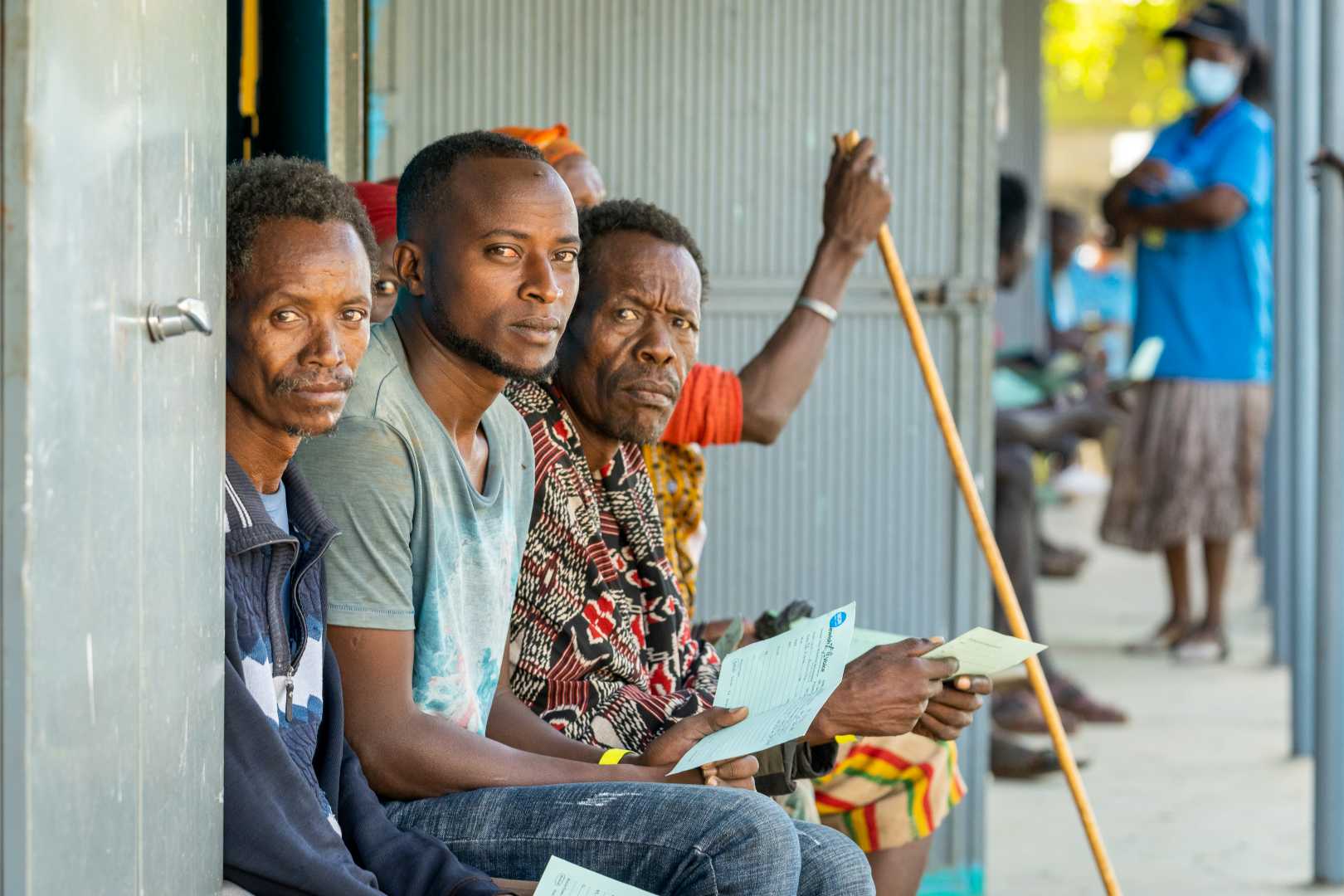
Ora por dos alcances dirigidos localmente este mes: la congregación Beta Avraham de Etiopía sirviendo a la comunidad judía de Kechene y la primera clínica médica dirigida por los Lemba en Zimbabue.
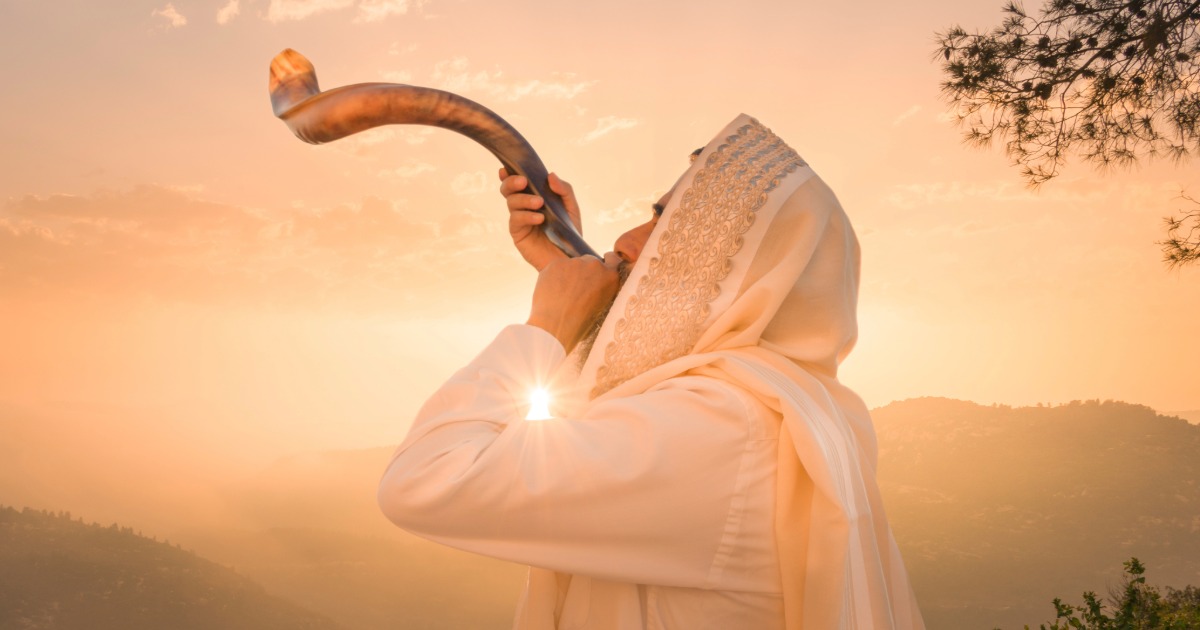
Únete a nosotros en la oración por Israel y el pueblo judío durante Rosh Hashanah y Yom Kippur. Seis puntos de oración para la revelación, el arrepentimiento y la salvación.

Shelby Saemann tells the story of her middle-of-the-night visitation from Jesus and how it changed her life. “I was terrified but in the safest moment of my life at the same exact time.” Check out her story here and at www.jewishvoice.tv.
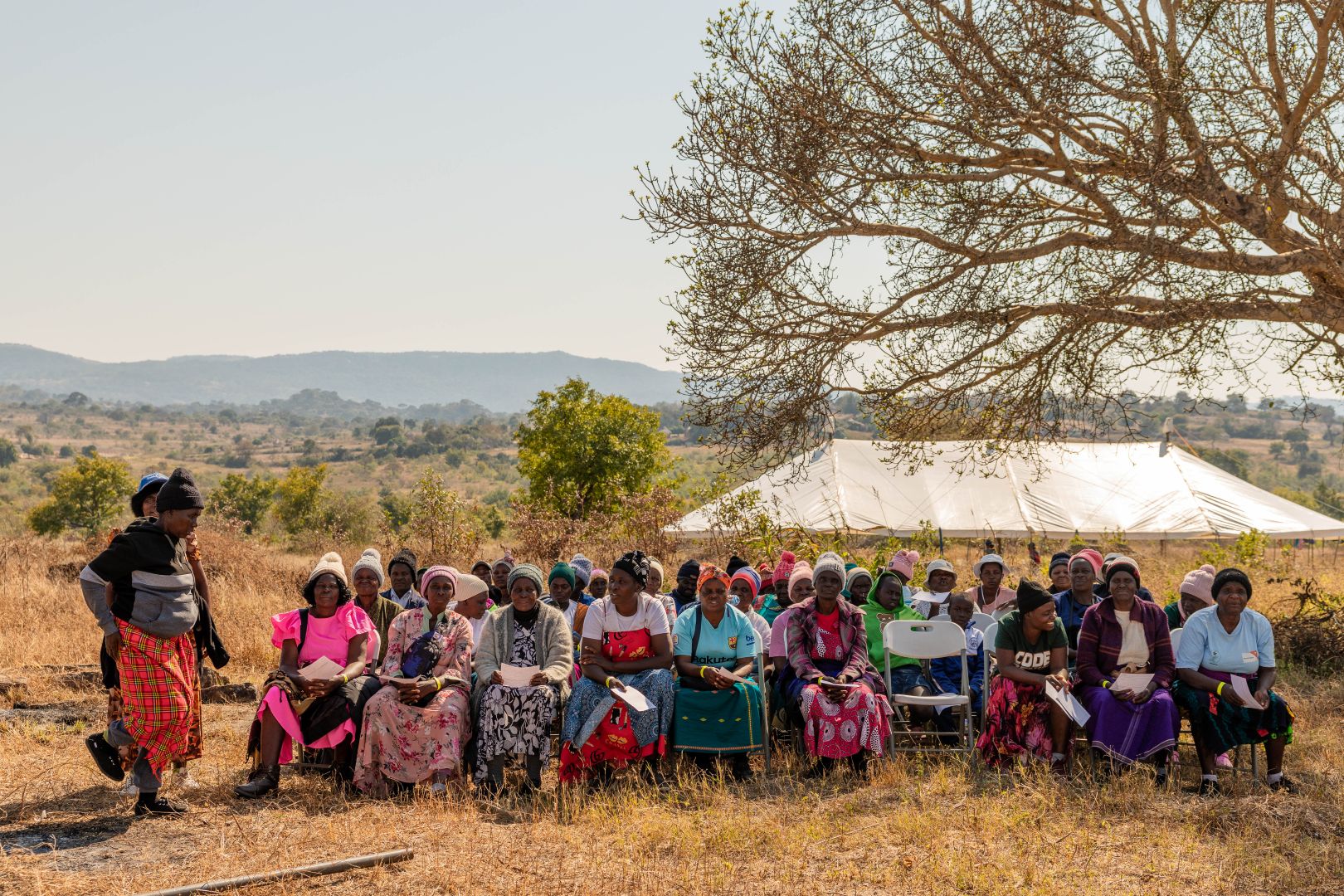
Descubre cómo un programa de atención médica en Zimbabue trajo sanación y esperanza. Más de 8,400 personas recibieron atención, 302 profesiones de fe, y ocurrieron sanaciones milagrosas.

Where is Jewish Voice going next? We’re headed to Malawi to bring humanitarian aid in the form of medical, dental, and eye care to a Jewish community and their neighbors of all faiths. We’ll also be praying for and sharing the Gospel with those who come to our voluntary prayer room. Here are ways you can pray day by day for this Medical Outreach.