Beyond the Broadcast: Our Bold New Season Begins. Watch Now ->
Beyond the Broadcast: Our Bold New Season Begins. Watch Now ->

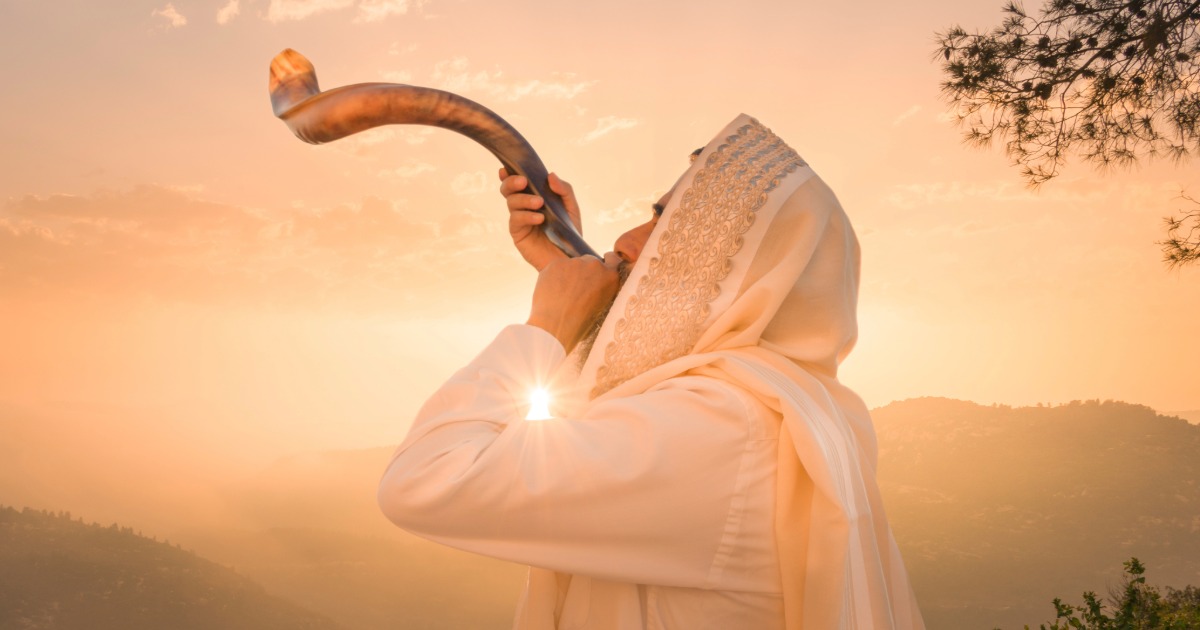
What’s the saddest day on the Jewish calendar? It’s Tisha B’Av, and this year, it begins at sunset on Saturday, July 17 and ends at sundown on July 18. Tisha B’Av is an important Jewish holiday. Here are nine things to know about Tisha B’Av.
1.Tisha B’Av means the ninth of Av. Av is the name of a summer month on the Hebrew calendar, and the ninth day falls either in July or August.
2.Tisha B’Av is the most sorrowful day of the Jewish year because it commemorates a surprising number of tragedies that have happened to the Jewish people on this very same date throughout history. Most importantly, both the first and second Temples were destroyed on the ninth of Av hundreds of years apart.
3.Other tragedies that came upon the Jewish people throughout history on the ninth of Av include:
4. Tisha B’Av is preceded by three weeks of mourning, beginning on the 17th of Tammuz, marking the day that the Romans breached Jerusalem’s walls in 69 C.E. The event led to the Temple’s destruction in 70 A.D. Mourning intensifies on Av 1 through the 9th.
5. We fast from food and water on Tisha B’Av, similarly to the fast on Yom Kippur. Fasting has long been a sign of mourning, and on this day, we intentionally grieve over our many losses as a people throughout history.
6. Another way we mourn is by sitting only on low chairs for a portion of the day. Sitting uncomfortably in awkward chairs keeps our ancestors’ suffering and the day’s grief at the forefront of our minds. We also don’t wear leather on Tisha B’Av because it is considered a comfortable luxury and inappropriate for such a day of sorrow.
7. Because reading and studying the Torah brings joy, tradition prohibits it on Tisha B’Av, except for reading sections that describe mourning laws or times when Israel endured great suffering. Reading the book of Lamentations is traditional during synagogue services on Tisha B’Av.
8. We read kinot (mourning poems) that describe historical events targeting the Jewish people for conquest, annihilation or persecution. They often recount in detail some of the things our ancestors suffered on this date throughout the centuries and reflect the heart of prayers to God for preservation and hope.
9. For Jewish Believers in Jesus, Tisha B’Av also offers an opportunity to pray for our Jewish people, knowing that God has kept His promise to send the Messiah, who is the true hope of Israel. Many of Av 9's catastrophes – done by those who falsely claimed the name of Jesus in their actions – only add to the misconception that there is an impossible divide between Judaism and Jesus. Please join us in praying that the Lord will break through that misunderstanding so that more Jewish people would come to know Him.



A biblical look at the why, what, when, and how of thankfulness.
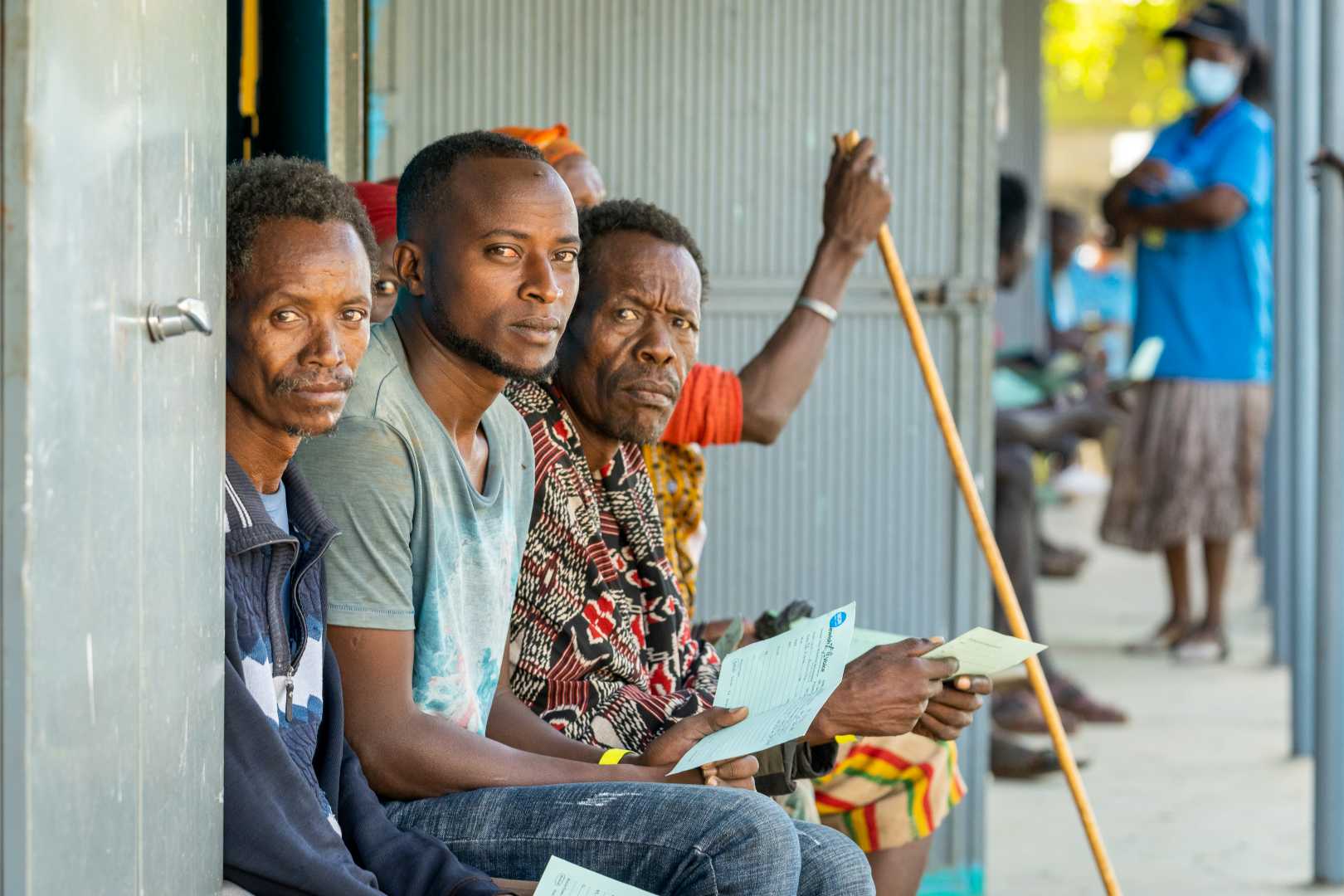
Pray for two locally-led outreaches this month: Ethiopia's Beta Avraham congregation serving the Kechene Jewish community and Zimbabwe's first Lemba-run medical clinic.

Prayer points for the Jewish people during a week of mixed emotions: remembering the October 7 Hamas attack anniversary and celebrating Simchat Torah.

The seven-day Feast of Sukkot is one of the most unusual holidays God established for Israel to observe. In this article, we explain the various observances God commanded for Sukkot and the invitation He includes by adding instructions for an eighth day, which is known as Shemini Atzeret.