Beyond the Broadcast: Our Bold New Season Begins. Watch Now ->
Beyond the Broadcast: Our Bold New Season Begins. Watch Now ->
If you are not Jewish, you may wonder why would a non-Jewish Believer in Jesus desire to go through the trouble to learn and prepare and do this unusual celebration.
Behold, God has prepared a place at the Passover table for you. Passover represents not only an event 3,500 years ago in Egypt, but also an amazing tapestry that spans the thousands of years since. Passover is not only a story of Moses and the Hebrew slaves, but of the passing of this precious heritage from generation to generation. From the first promise to Abraham (that included promises to both the Jewish people and the Nations), we are to remember God’s faithfulness. Remember to hope in the Messiah, and remember to tell our children. This telling is the reason for the Passover service.
The second chapter of Ephesians reminds non-Jewish Believers that they were once without hope and without God, called aliens and strangers, and could not partake of the covenants and promises of Israel. In order to come to the Passover Seder (SAY-der), they would have to be circumcised! (See Exodus 12:42–49.) Yet now, through Messiah Yeshua, the promise to Abram has been realized, and those who once were far off have been brought near as He has broken down the wall separating the Gentiles from the worship of the God of Israel! (Eph. 2:13, 14)
Passover and the Feast of Unleavened Bread are two of the seven biblical Feasts listed in Leviticus 23. A Hebrew word for Feast is Mo’ed, (MO-ehd) which means “appointed time” [with God]. What could be more precious or exciting? The Lord has set these special times to meet with His people. So, come with expectation!
These important Spring Feasts begin the biblical calendar and set the spiritual rhythm of the Kingdom. Each of the biblical Feasts are rich in symbolism that reveal prophetic truths and aspects of the nature of God and His redemptive plan for the world.
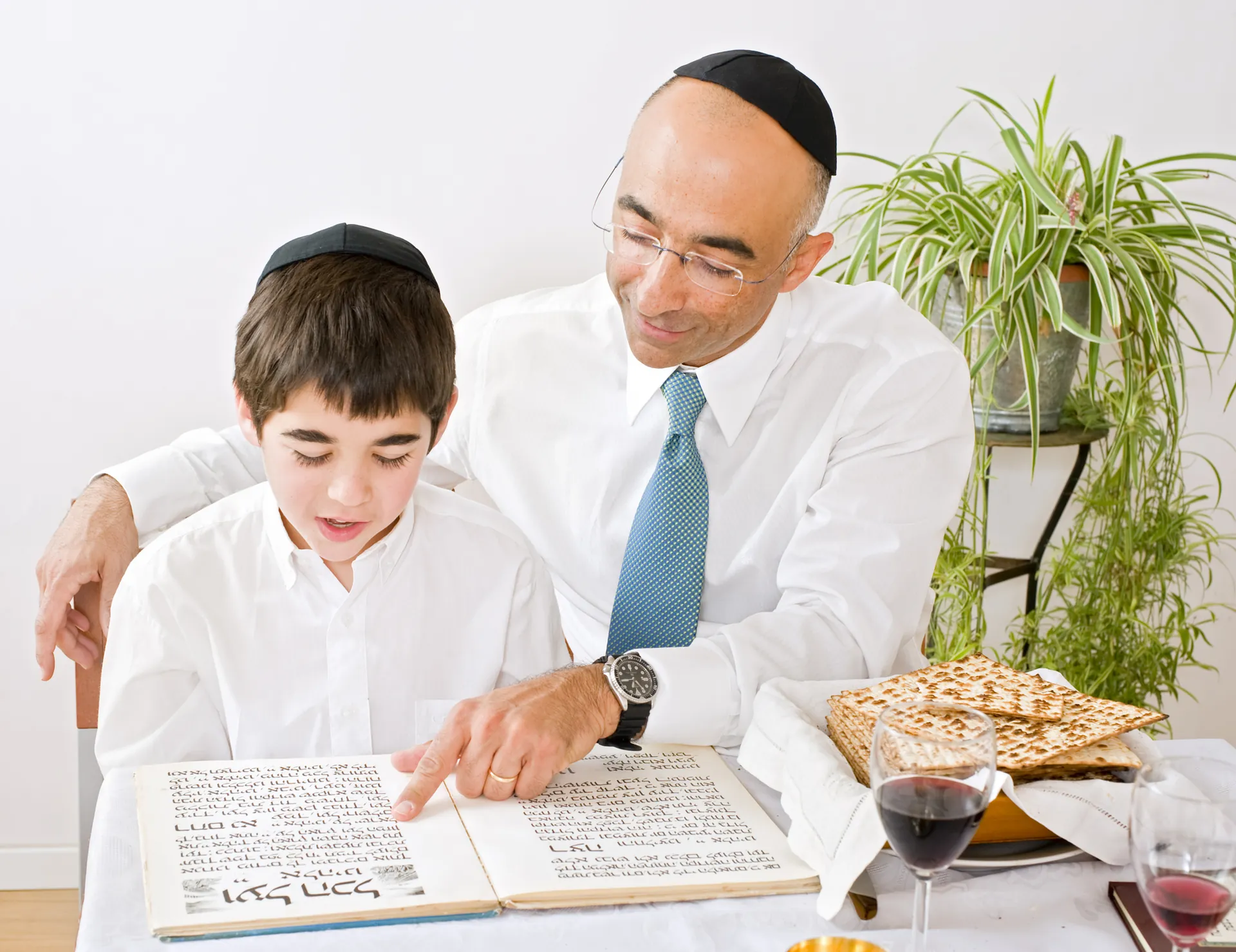
While the traditional Seder has changed a bit over the past 2,000 years, the purpose remains the same: “the telling.” This is not unique to Passover, as Deuteronomy 6:7 gives wise instruction to teach God’s statutes and commandments “diligently to your sons and... talk of them when you sit in your house and when you walk by the way and when you lie down and when you rise up.”
For time immemorial, the Jewish people have taught their children the Torah, and this has helped to preserve them as a people. Through the Plagues of Europe, by living according to biblical commandments, Jewish people by and large did not contract these terrible diseases. Through near two millennia of suffering persecutions, pogroms, and the Holocaust, with no country to call their own, the Word of God bound them together and to their God ... giving hope, promise, and purpose ...generation to generation. Believers understand that there is also an intangible spiritual benefit to learning and doing the Word and the Will of the Lord. This isn’t legalism; this is life!
A major part of the Seder is called the Maggid (mah-GEED), which is the retelling of the Passover story from the Exodus Scriptures and the recital of the “Four Questions” by the youngest son. It is a dramatic story that unfolds throughout the evening, with tears and laughter and warmth.
A hush falls over the children during the account of the Angel of Death moving throughout the homes of Egypt, taking the lives of the firstborn of man and beast. To think it was the blood of a lamb applied to the doorpost of the Hebrew slaves that saved them...
As Believers we are reminded of the text in Revelation 12:11: “And they overcame him by the blood of the Lamb and by the word of their testimony...” As Messianic Jews and Gentile Believers in Yeshua, we give testimony to God’s enduring faithfulness from that first Passover lamb in Egypt to Yeshua, the Lamb of God who takes away the sin of the world (John 1:29).
The traditional Passover Seder begins with everyone seated at a beautifully set table. In Orthodox Jewish homes, there will be a special set of Passover dishes and cookware, only used once a year for that special occasion.
Each family will develop their own traditions, but certain items are found at nearly every Seder:
Passover: The name “Passover” (in Hebrew, Pesach, (PAY-sahk); the “ch” is a gutteral sound similar to the Irish “loch”) refers to the angel of death “passing over” the Hebrews during the slaying of the firstborn of Egypt.
Seder: The Passover meal is called a Seder, from a Hebrew root word meaning “order,” referring to the order of the service.
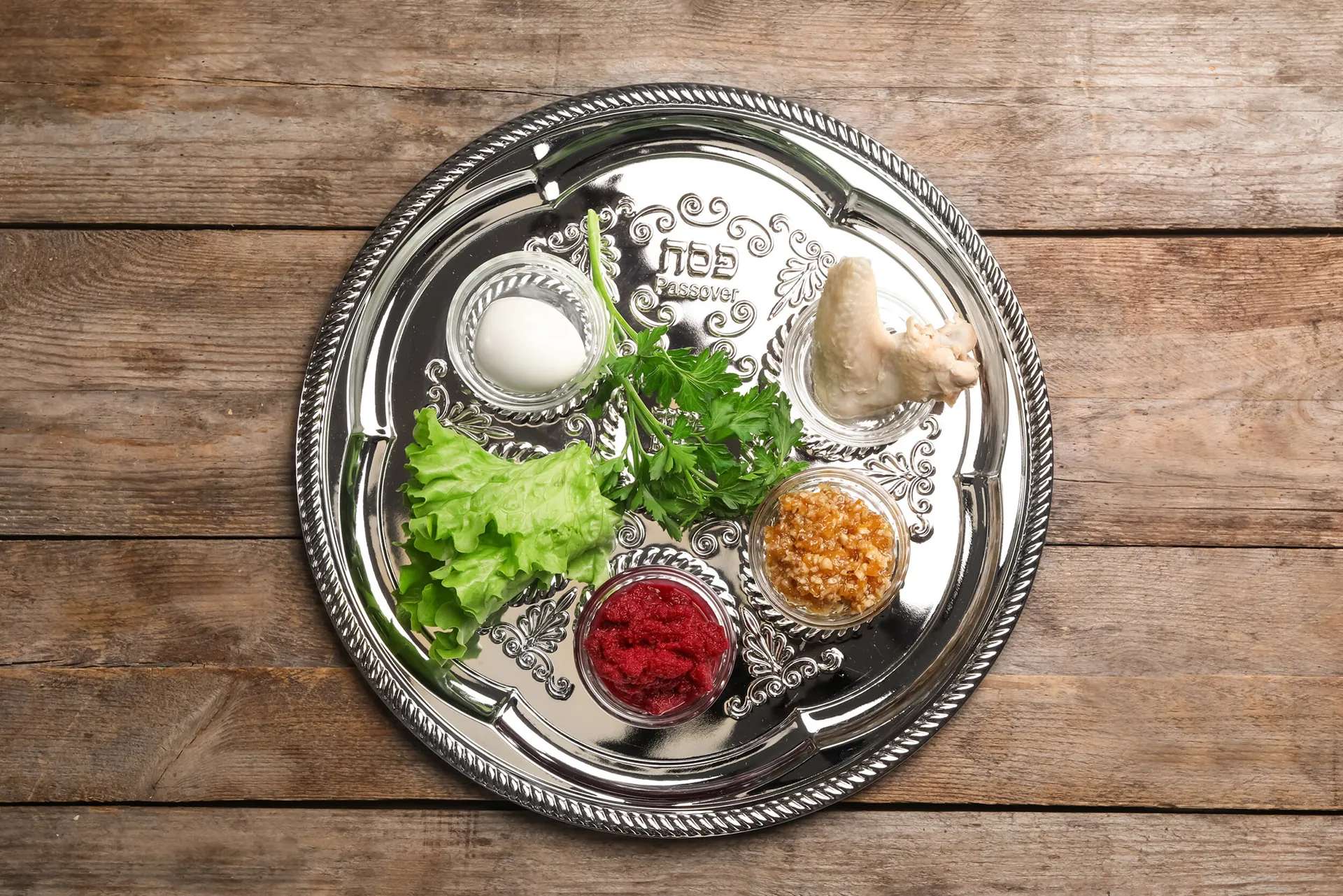
Seder Plate: The Leader of the Seder will have a plate displaying all of the elements used in the service.
Haggadah: The name of the booklet used in the Passover Seder containing the blessings, the order of service, and commentary.
Maggid: (mah-GEED) “To tell.” The central narrative of the Seder.
..and the dreaded Chametz: Leaven, or yeast, (KHAH-mets).
Everyone has been so excited! We’ve been bumping into each other all day as we’ve hurried to get our things together, packed into carts, ready to go.