Beyond the Broadcast: Our Bold New Season Begins. Watch Now ->
Beyond the Broadcast: Our Bold New Season Begins. Watch Now ->
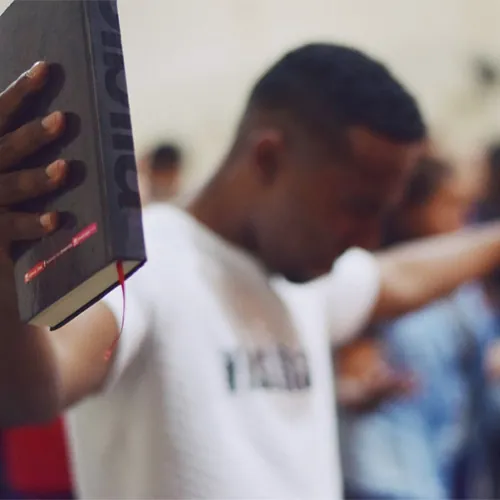
Shavuot celebrates the giving of the Torah at Mount Sinai. It was fifty days after God had delivered the Israelites from slavery to Egypt, calling them out to be a nation of His own. When He gave them His Law, He drew them deeper still into relationship with Him. The people of Israel received His Word and committed to following Him. As we receive God’s Word, we receive Him.
Scripture tells us that the Word of God is alive and active (Hebrews 4:12) and is infused with His Spirit (2 Timothy 3:16a). Through it, we get to know our God. His Word sees into our souls, delivering hope, redemption and spiritual food to sustain and mature us. It teaches us how to walk in the newness of life He has given.
God’s Word:
For Believers, Shavuot is also a celebration of God’s gift of the Holy Spirit, poured out on early Believers on the Shavuot after Yeshua’s death and resurrection (Acts 2). Since that day, God gives His Holy Spirit to dwell within each person who accepts Jesus as the promised Messiah, placing their faith in His sacrificial death for our sins and His resurrection from the dead (Romans 10:9).
The Hebrew for the Holy Spirit is Ruach HaKodesh. The New Covenant uses the Greek word paraclete, which means “called to one’s side.” It indicates that the Holy Spirit is our helper and comforter, our advocate and intercessor.
The Holy Spirit comes alongside us and is active in our lives, working in a variety of ways.
The Holy Spirit:
Through God’s Word and His Spirit, we have unending access to His presence, wisdom, and transforming power. Shavuot, for Believers, celebrates each of these magnificent gifts.
This Shavuot, set aside some time to reflect on and thank God for the priceless gifts He has given to you through the Scriptures and His Spirit dwelling inside you.


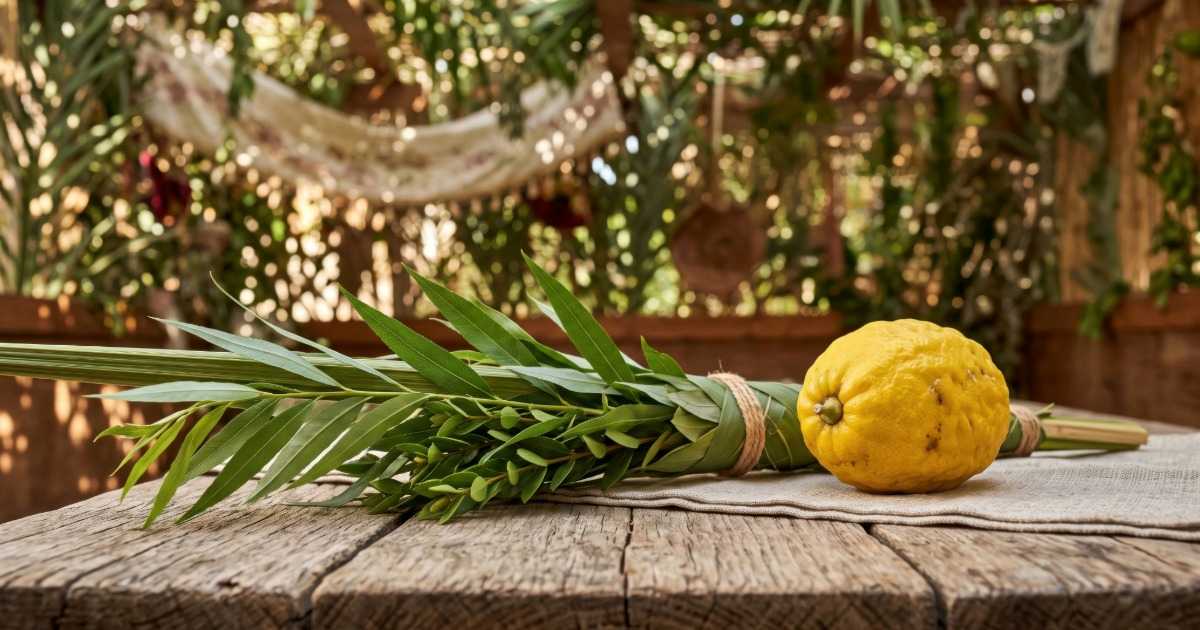
The seven-day Feast of Sukkot is one of the most unusual holidays God established for Israel to observe. In this article, we explain the various observances God commanded for Sukkot and the invitation He includes by adding instructions for an eighth day, which is known as Shemini Atzeret.
In this article, we drill down a few layers to discover that what we really want out of life is common to us all. For some, having these deep desires and needs met is just wishful thinking. But for Believers in Jesus, we have the assurance that God can meet those desires like no one or nothing else can. And the road to their fulfillment runs right through His Word.

The shofar is a simple yet profound instrument of the Bible. It’s a key feature of Judaism’s Fall Feasts, particularly Rosh Hashanah and Yom Teruah.