Beyond the Broadcast: Our Bold New Season Begins. Watch Now ->
Beyond the Broadcast: Our Bold New Season Begins. Watch Now ->
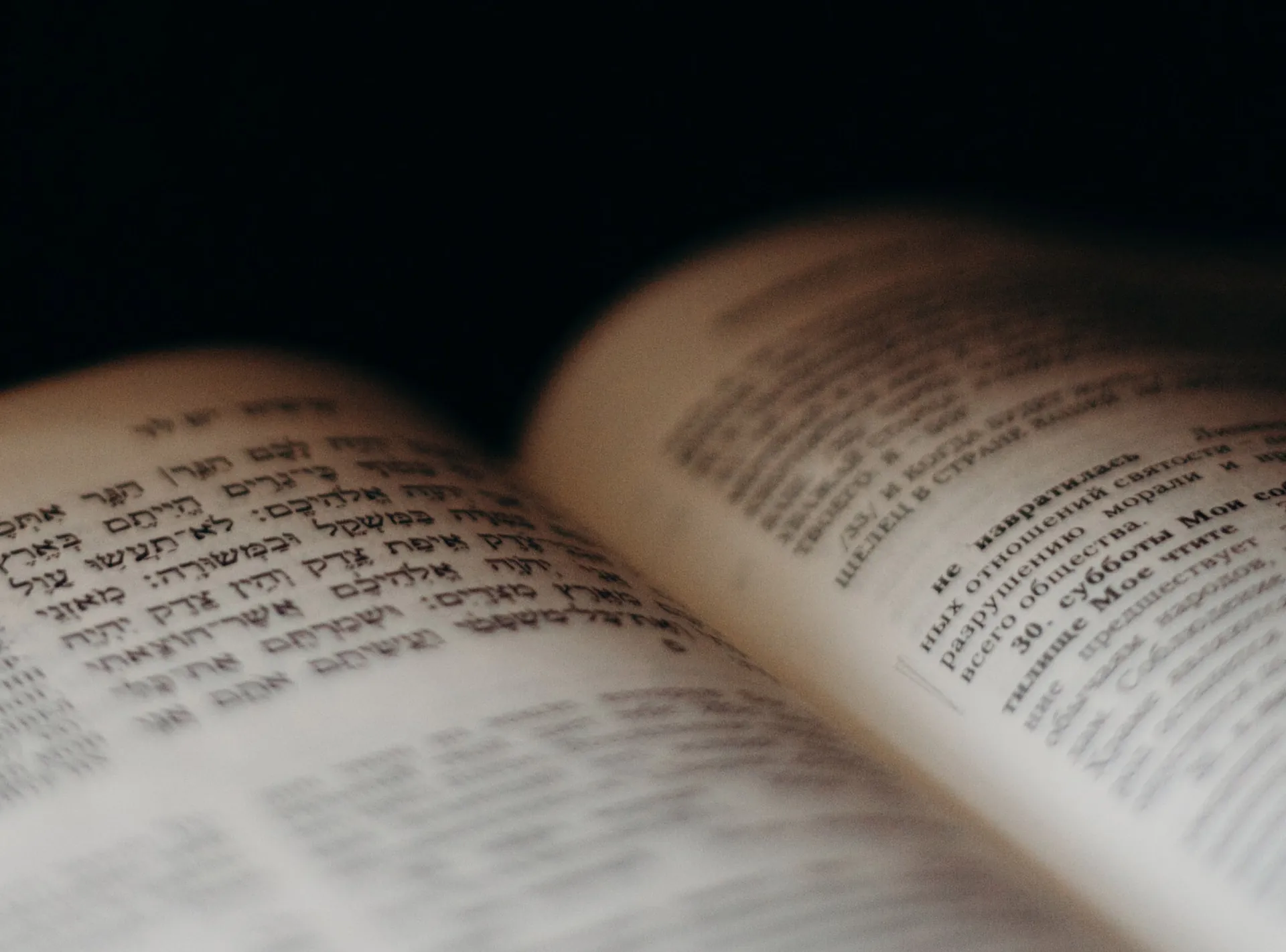
The Tanakh, (Old Testament) is highly esteemed in Judaism as it contains the Word of God, the history of Israel, and God’s prophecy for the future. Yet, one chapter is ignored to the point of being considered forbidden by rabbis. This chapter used to be read in synagogues as part of the Haftarah, readings from the Prophets after the Torah reading in a Jewish service.
Highly respected Jewish writings view this single chapter as a prophecy of the coming Messiah, but it has been removed from the Haftarah. Why? When Israel is still waiting for their Messiah, why would a prominent chapter prophesying about Him be excised from the Jewish faith?
Isaiah 53.
One of the mistakes Believers make about Jewish people is presuming they have extensive knowledge of the Old Testament Scriptures. However, the average Jewish person may know little more than what they hear in synagogue each Sabbath. Some, like many Christians, only attend services on the two major holidays in the year, which for Jewish people are Passover and Yom Kippur.
See what happens when Jewish people on the street hear the prophecies of Isaiah 53 and come to understand that the Messiah would suffer, be rejected, and killed. The interviewer does a beautiful job of getting some interviewees to explain in their own words the meaning of Isaiah 53’s passages. He goes on to present Scriptures from all over the Tanakh that reveal not only prophecies of the Messiah, but each person’s individual need for what the Messiah offers.
You’ll be surprised at the responses when people are finally asked, “Do you know anyone in history who fulfills these prophecies?”
Key passages mentioned in this video can help you share the Gospel through the Old Testament. Aside from Isaiah 53, some of them include: Ezekiel 18:4, Daniel 12:2, Daniel 9, Micah 5, and Isaiah 49.
Watch this inspiring video, and please, continue to pray for the Jewish people to come to know their Messiah.


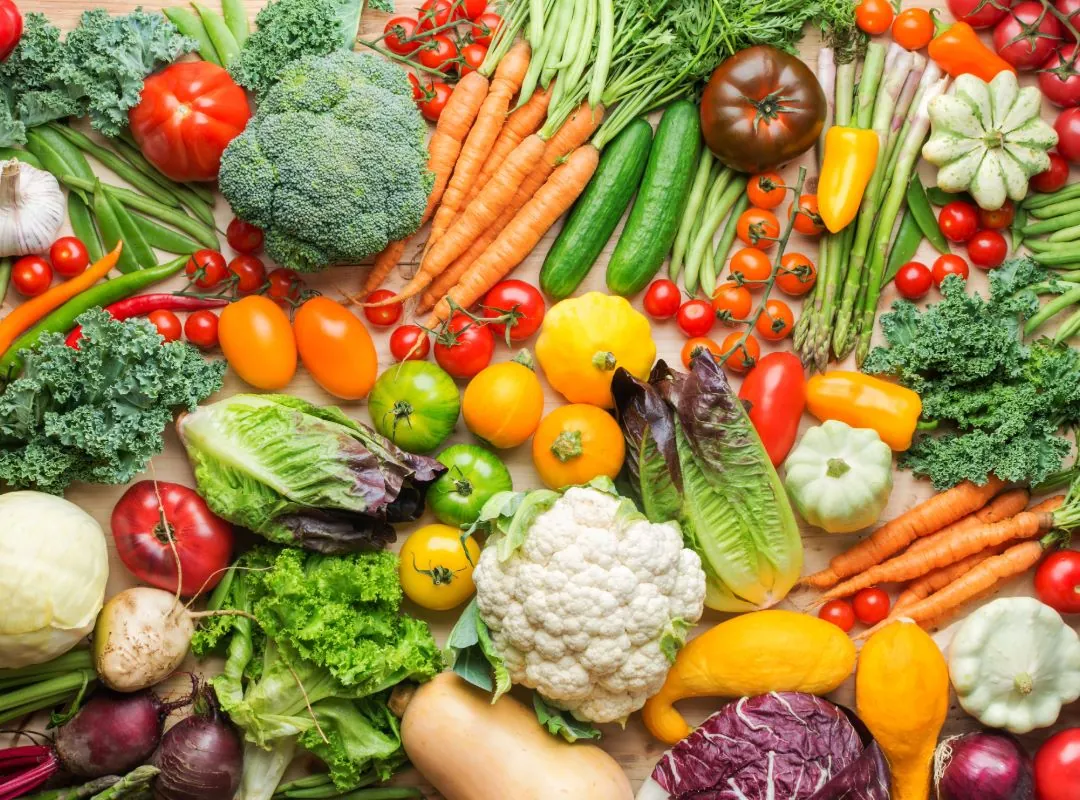
We’ve collected some recipes from our staff and put together a Passover menu and recipes for you to enjoy.

Scriptures show us that God set apart the Jewish people

Explore preparations for rebuilding the Third Temple in Israel, including the Temple Movement's efforts, archaeological discoveries, and prophetic significance.