Simchat Torah, Hebrew for "rejoicing in the law," comes at the conclusion of Sukkot It celebrates the completion of the annual reading of the Torah following the traditional cycle of prescribed readings used in synagogues around the world

Chanukah - or Hanukkah - commemorates the victory of the Jewish freedom fighters, the Maccabees, over the Syrian army in 165 B.C. and the subsequent miraculous reconsecration of the holy Temple in Jerusalem.
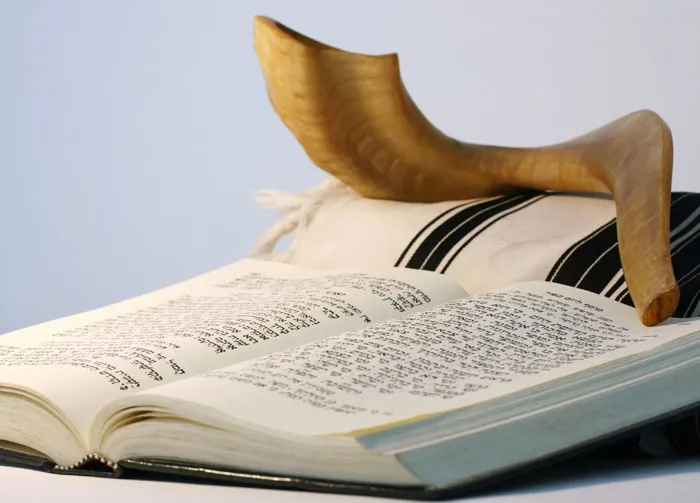
Yom Kippur, or the Day of Atonement, is the holiest holiday of the Jewish year It is a day that reminds us of our sin and our need of atonement before a holy God Since 70 A D
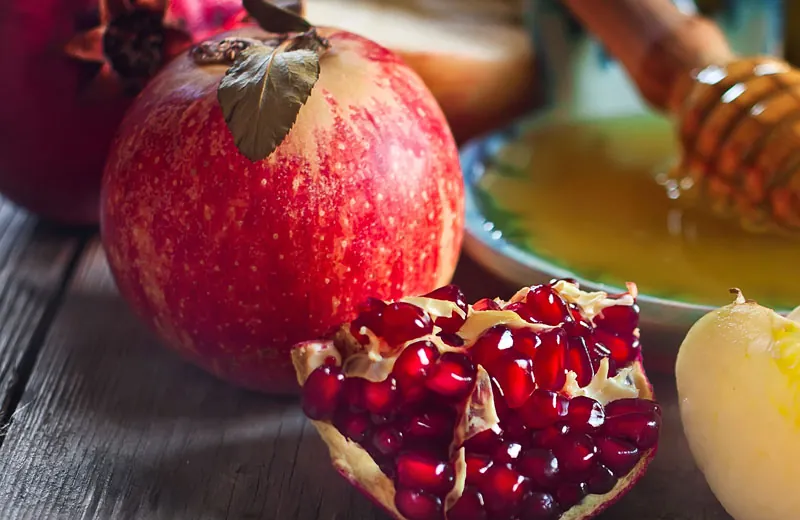
Learn about Rosh Hashanah, the Jewish New Year and Feast of Trumpets. Discover its meaning, traditions like shofar blasts and apples in honey, and prophetic significance.

Sukkot is about remembering and rejoicing The word “sukkot” means “booths,” and during this biblically commanded holiday, people build three-sided, temporary structures – or booths – in their yards or on their patios
Answer: “On the contrary, repentance is one of Judaism’s foundations That’s why our own traditional literature from the Talmud to the Prayerbook to Maimonides to contemporary Jewish thinkers is filled with teaching on repentance and prayers of repentance
Answer: “If I were to follow your logic, I just could as easily say, According to Proverbs 16:6, love and good deeds make atonement, so who needs Yom Kippur (the Day of Atonement)
Answer: “Just as Messianic Jews probably misunderstand some of the things you believe, I think you misunderstand some of the things I believe We do not in any way believe in three gods My God is one, and his name is the LORD (or, Yahweh, known to Orthodox Jews as HaShem)