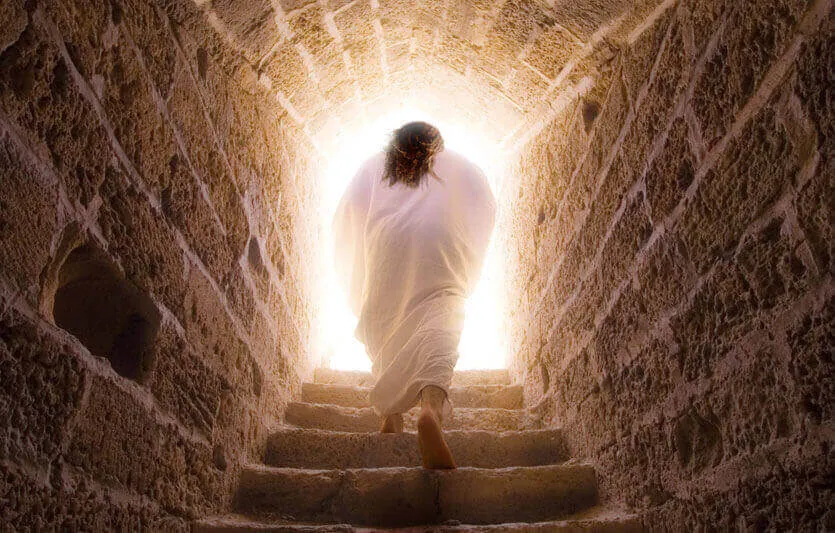
The concept of a Jewish Christianity is foreign to Jewish People because most of them are raised with the notion that the Yeshua of the New Testament is only for Gentiles.
There is a grievous lie that blames the Jews for killing Jesus and that God has cut them off irrevocably because of it It is the cornerstone of deception and has caused a 2,000-year legacy of hatred, anti-Semitism, and persecution of Jewish People in the name of Christ and Christianity
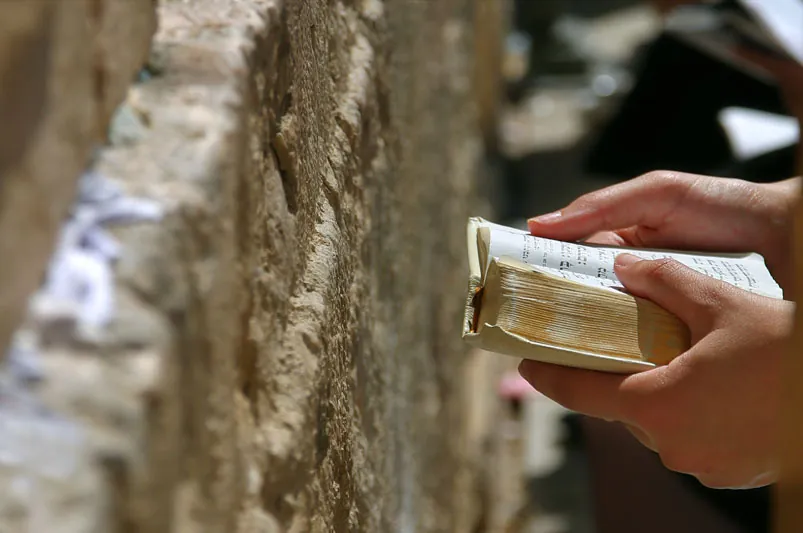
For almost 2,000 years, both Judaism and Christianity have promulgated the lie that the Jewish People rejected Jesus as their Messiah Messianic Rabbi Jonathan Bernis often tells about his upbringing in a Jewish home
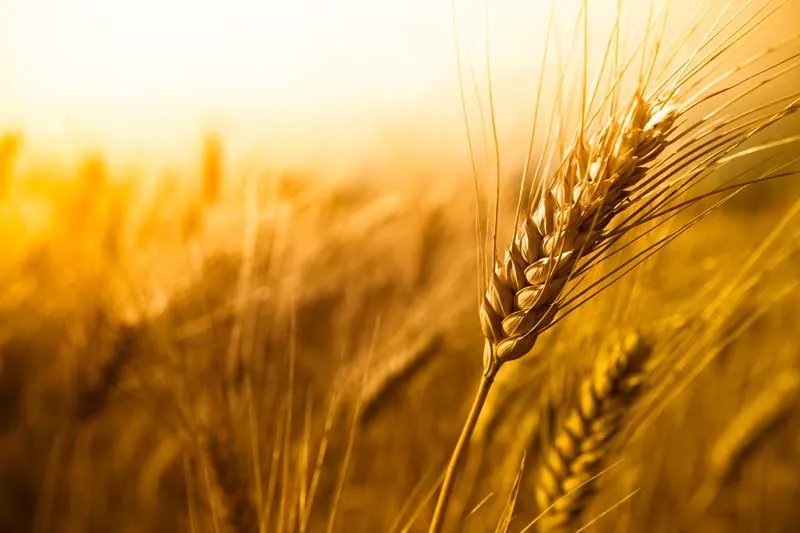
Shavuot was both an agricultural festival and a celebration of God giving His newly-free people the Torah at Mt. Sinai.
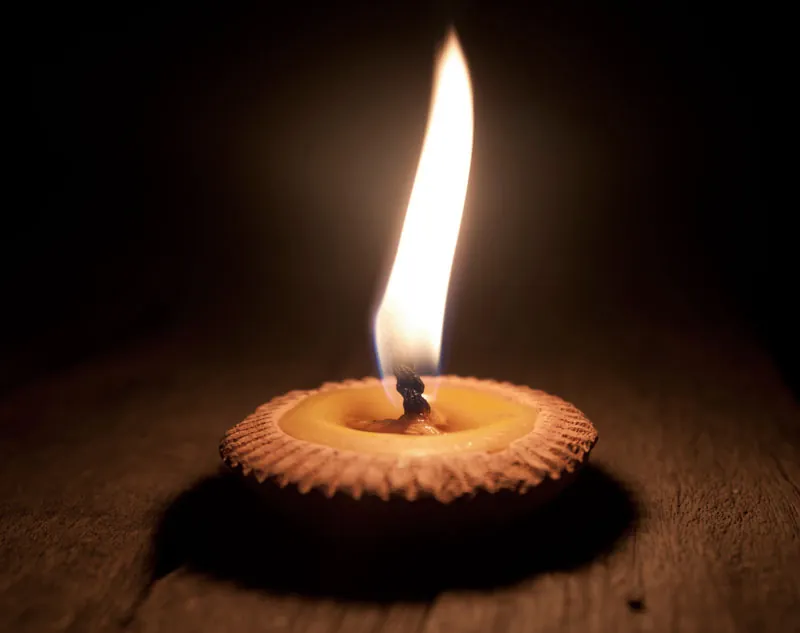
The traditional day of mourning the destruction of both ancient Temples in Jerusalem, which both happened on the same day of the year to Tisha B’Av (TISH-a bah-AV) now includes remembrance of many Jewish tragedies that have mysteriously occurred on this very date:
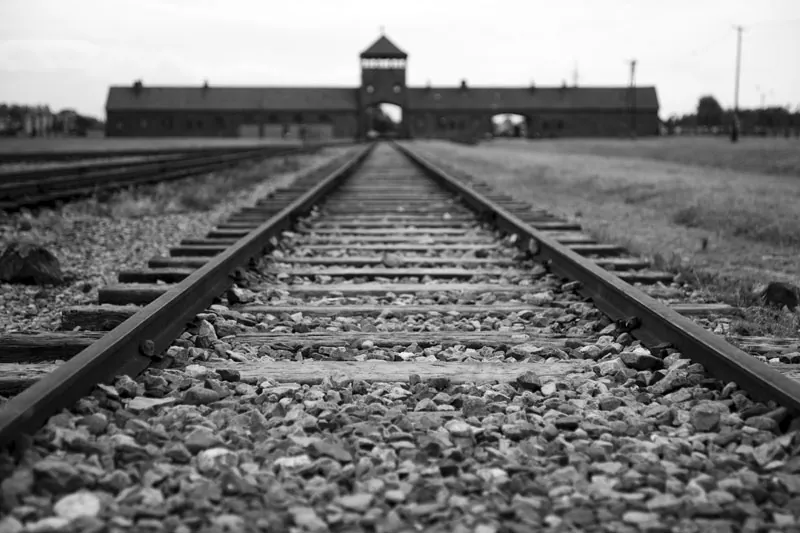
Shoah (SHO-ah), in Hebrew, means catastrophe or utter destruction and refers to the atrocities that were committed against the Jewish people during World War II Yom HaShoah (YOHM haSHO-ah) is Israel’s Memorial Day for those who died in the Shoah, or Holocaust
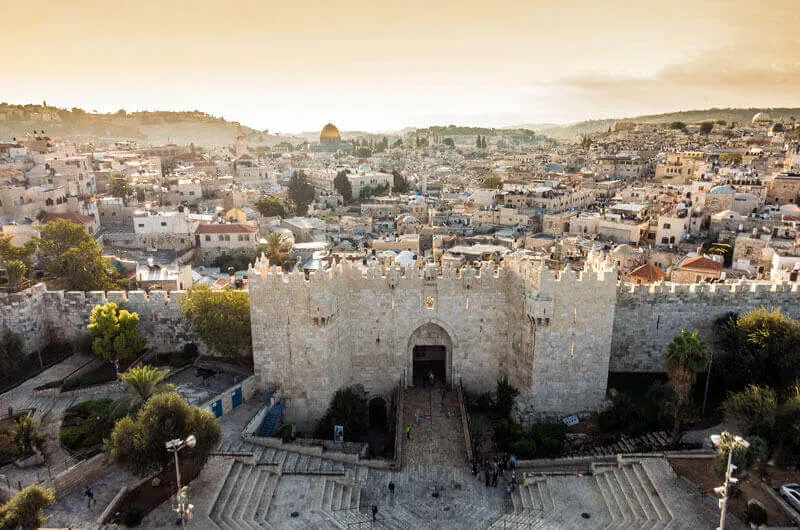
This day marks the establishment of the modern state of Israel in 1948, an event which is an unprecedented, miraculous modern-day fulfillment of biblical prophecy that the dispersed Jewish people would again return to their land (Isaiah 11:11, 43:5-6)
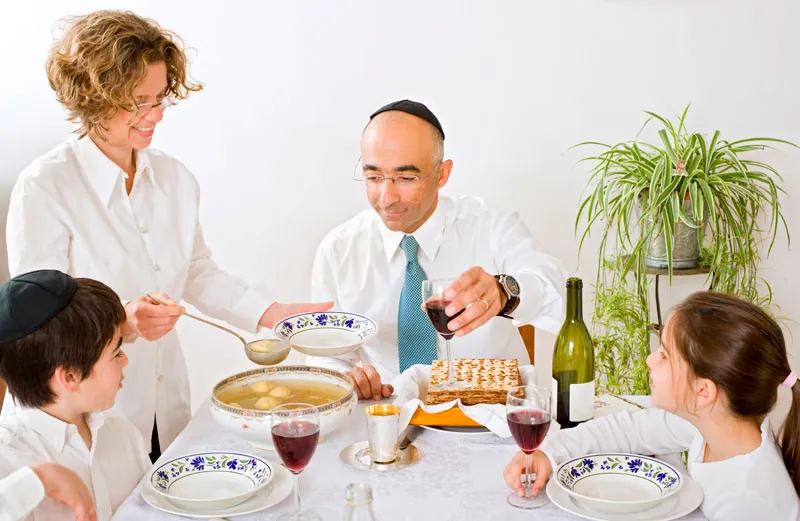
Passover is a Jewish holy day commemorating the work of God in sparing the lives of the Jewish people when He struck down the first born of Egypt Passover is immediately followed by the seven-day Feast of Unleavened Bread
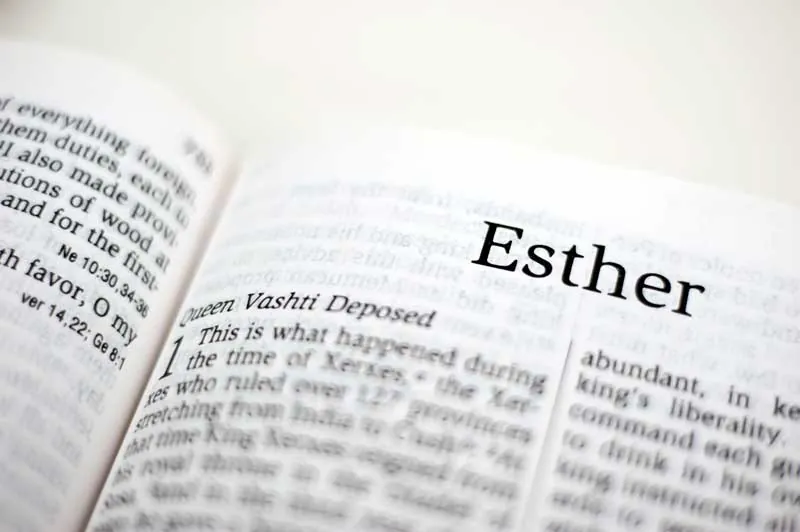
Purim celebrates the story of Esther Under the rule of Persian king Ahashuerus, Haman, the king's prime minister, plotted to exterminate all of the Jews living in the land His plan was foiled by Queen Esther and her uncle Mordecai, who ultimately save the Jews of the land from destruction