
Have you ever wondered how Yeshua (Jesus) would have written His Name. The Hebrew of the Dead Sea Scrolls is written in the form of Hebrew used in the Second Temple era. This would have been the familiar Hebrew to Yeshua and His Talmidim (Disciples).
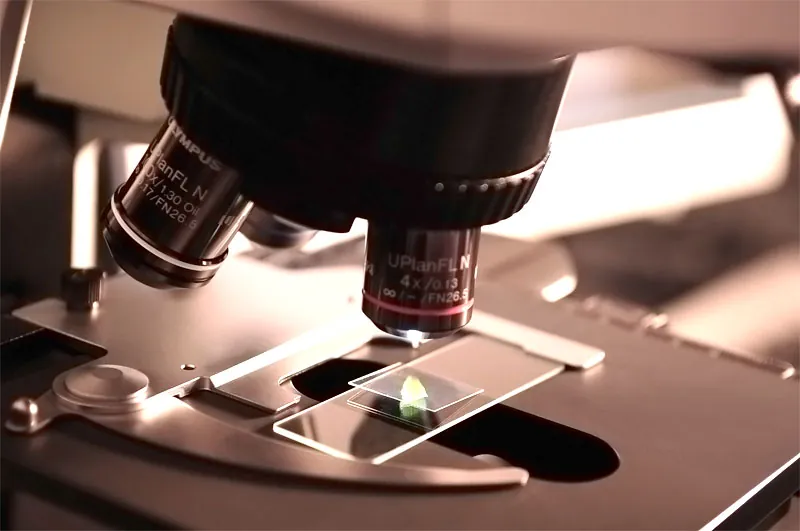
Jewish Voice Ministries International has partnered with the largest provider of DNA testing, a leader in the industry who has pioneered the use of DNA testing in the field of genealogy, providing a new way to break through barriers in your family history. The genetic tests that we offer as part of this partnership can determine relationships with a 99.9% degree of accuracy!

An easy-to-read calendar of the major Jewish holidays - including Yom Kippur, Sukkot, Purim, Pesach (Passover), and many more.
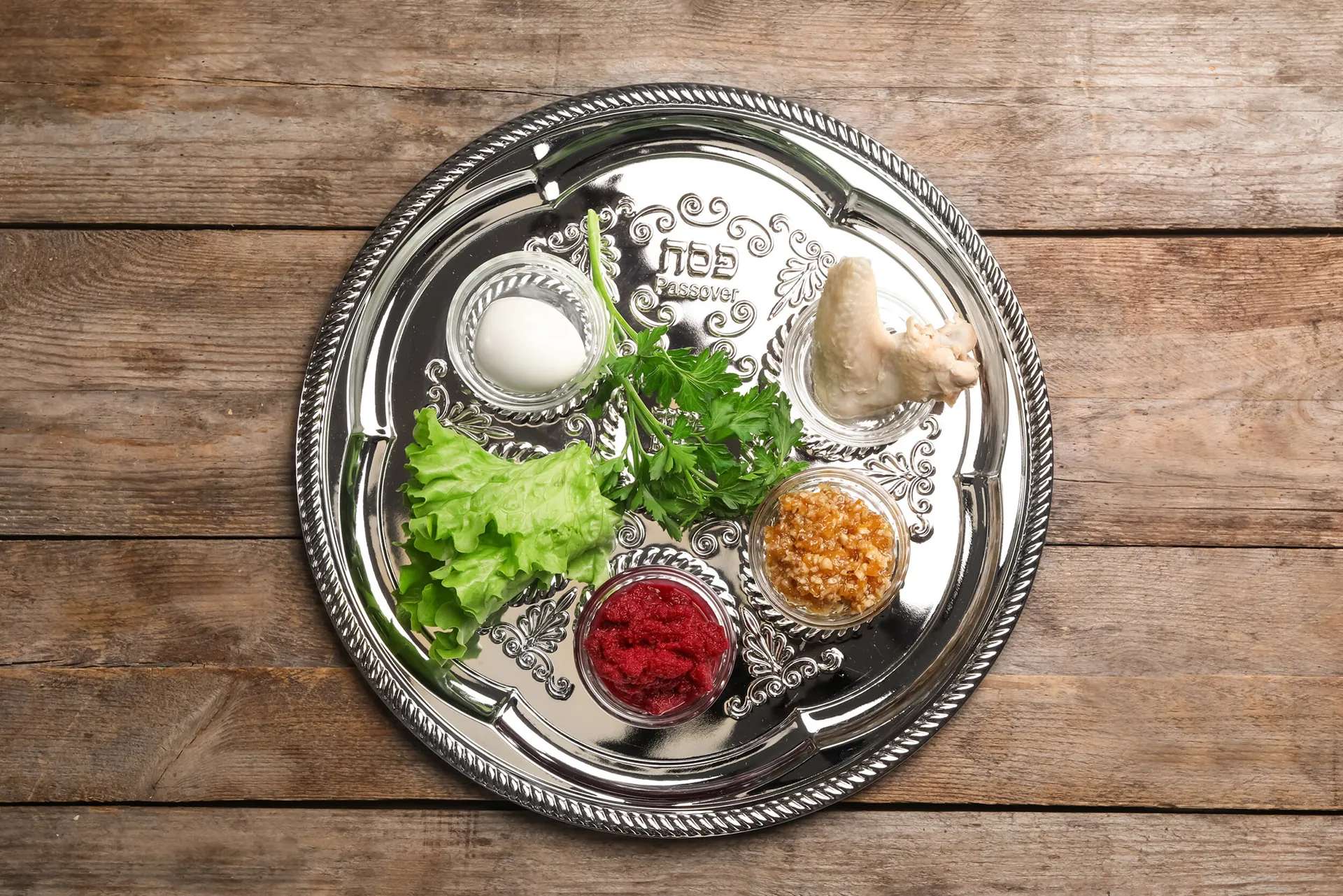
Passover is one of the most important Jewish holidays of the year. Learn how to celebrate Passover as a Messianic Jew, here.
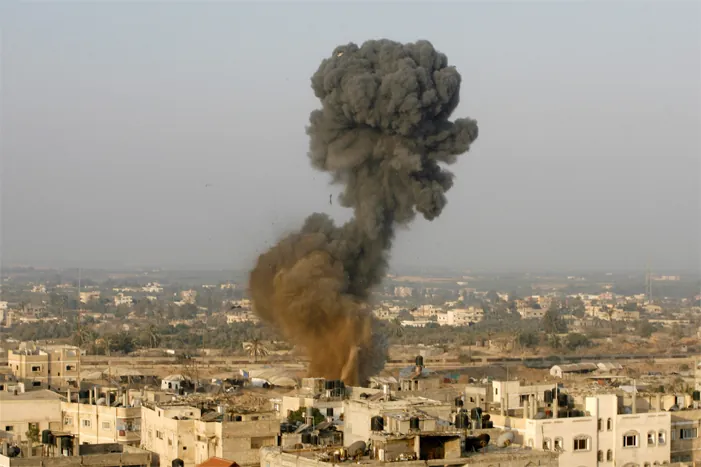
Late in 1987, tensions between the Palestinians and the Israelis boiled over in what became known as the first intifada—the uprising Two days after a Jewish worker was stabbed and killed in Gaza, an Israeli tank transport killed four Palestinians in a traffic accident
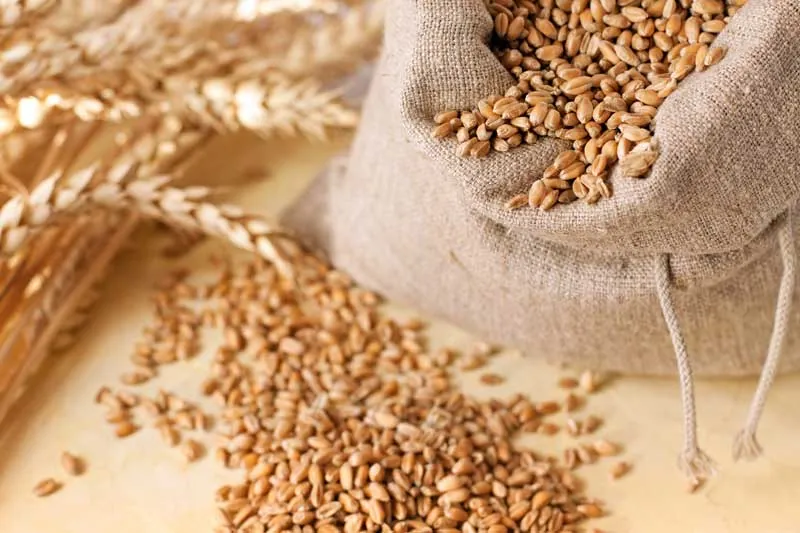
On the Jewish calendar, Shavuot marks the conclusion of a seven-week period known as sefirat ha-Omer, the counting of the Omer Beginning on the second day of Passover, we are commanded to count 49 days leading up to Shavuot (Leviticus 23:15)