
Our responsibility as Believers in Yeshua (Jesus) AND supporters of a Jewish state is to pray for and seek productive relations between the two nations and to pray for those in leadership.

One of the most common questions we receive is, “What is the difference between Messianic Judaism and Christianity.” The key to better understanding the differences between Messianic Judaism and Christianity is to first understand the foundations of both religions as they spring from Judaism. 1.

Answer: “Jesus stated emphatically that he did not come to abolish the Law and the Prophets but rather to fulfill them, and the primary focus of his earthly ministry was on reaching the lost sheep of the house of Israel
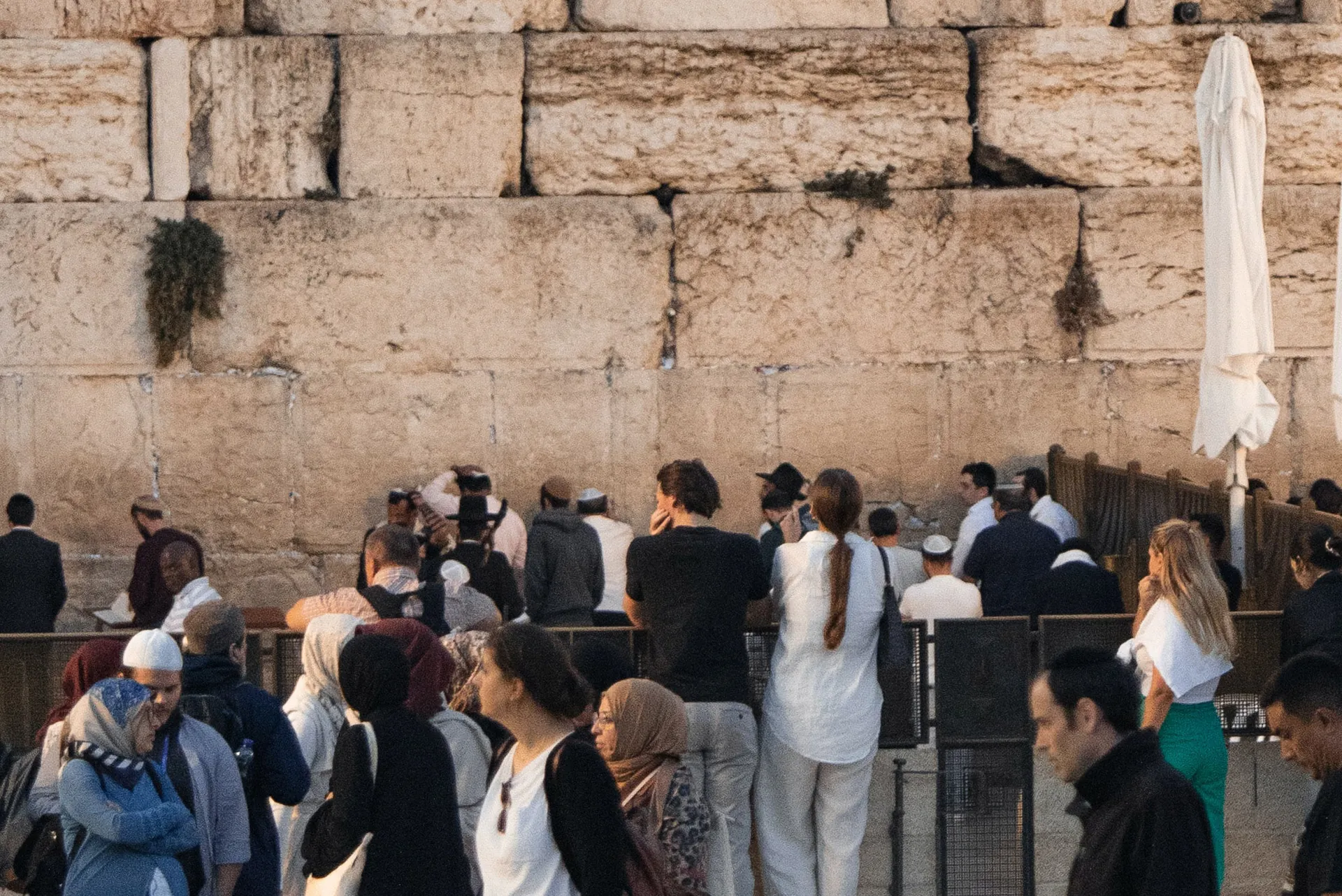
Dual Covenant Theology teaches that Jewish People have a separate path to God through the Mosaic and Abrahamic Covenants This too is false The doctrine developed after the Holocaust when Christians thought the Jews had suffered enough and needed to be accepted and affirmed
This comes from the fallacy that Yeshua taught against the Law of Moses. This lie emerged largely as a result of an overemphasis of being under the Age of Grace, the Church Age.

The misconception that Jesus did not fulfill the Messianic prophecies of the Old Testament is predominately held by Jewish People. The argument stems from several key Scriptures: Isaiah 11:1-9, Isaiah 2:3-4, and Micah 4:2-3.

Some look at Yeshua as having transcended or finished with His earthly identity They see Him only as spirit and believe His Jewish identity is, therefore, irrelevant However, the Bible tells us that His work is not finished
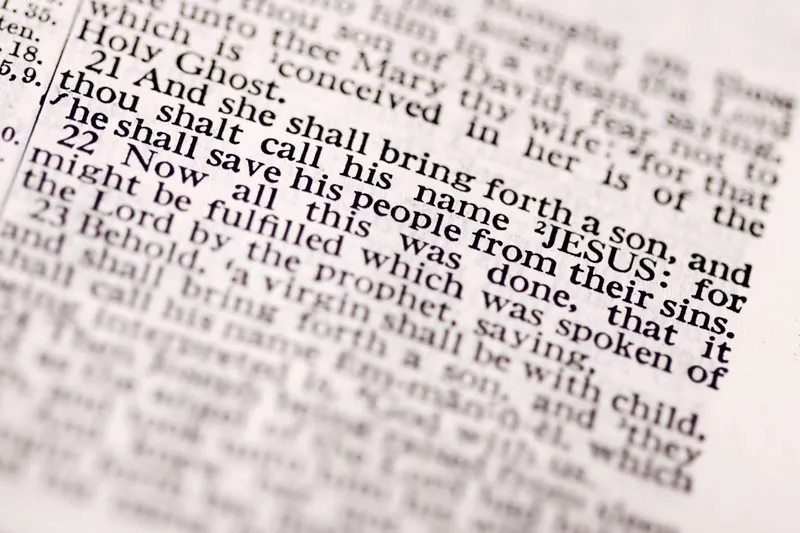
A common argument claims that Jesus is not found in the Hebrew Scriptures– the Old Testament and that He is a Christian or Gentile creation only mentioned in the New Testament True, the name “Jesus” is not found in the Old Testament, as it is an anglicized version of the Greek name Ἰησοῦς (Iēsous)