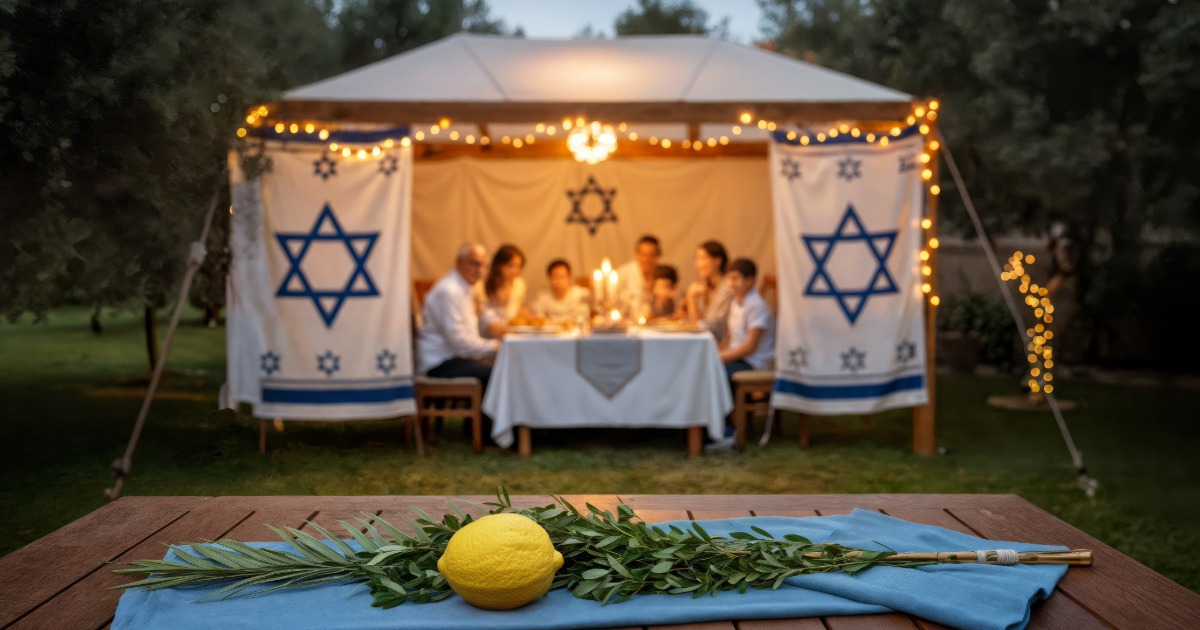
Beyond the Broadcast: Our Bold New Season Begins. Watch Now ->
Beyond the Broadcast: Our Bold New Season Begins. Watch Now ->
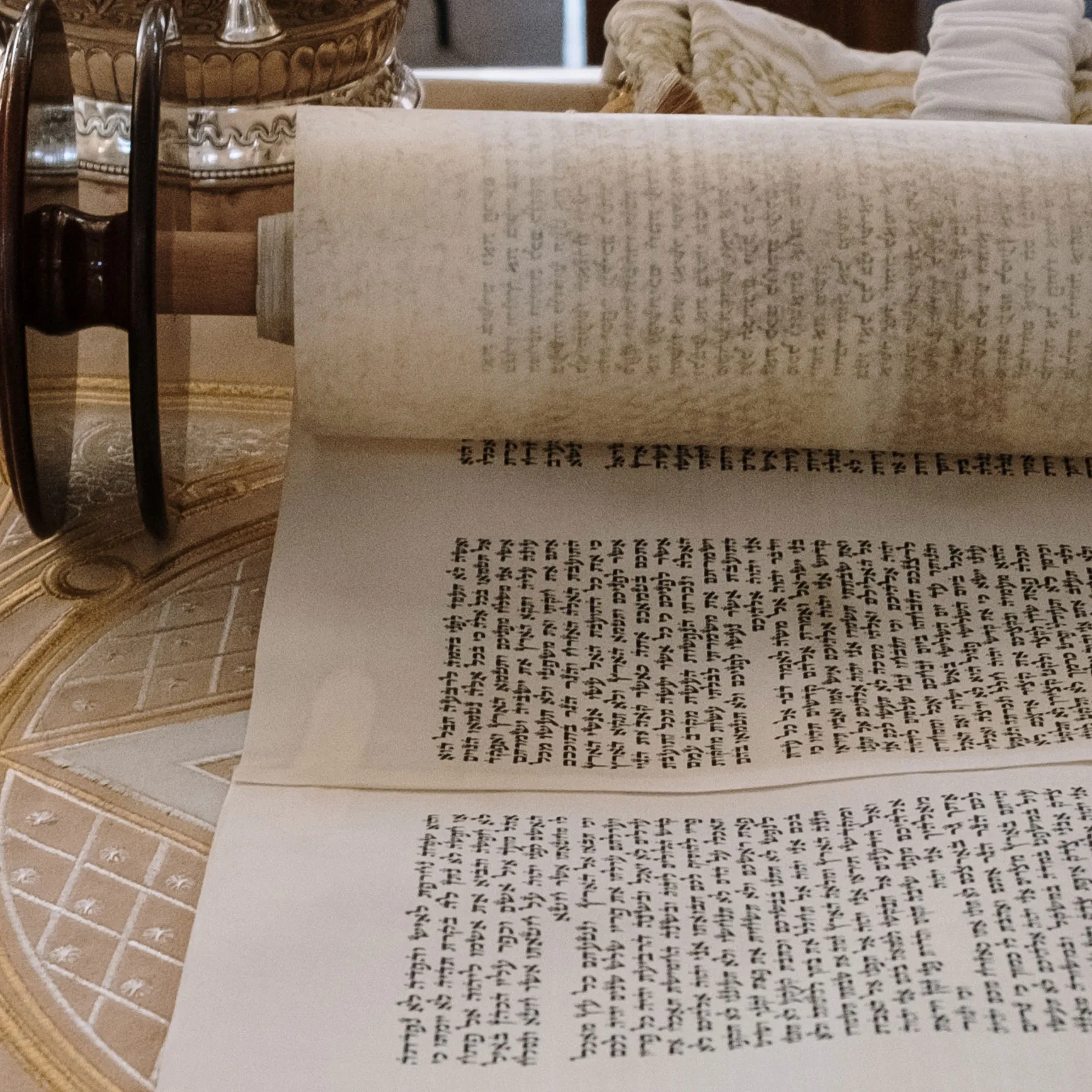
One of the most common questions we receive is, “What is the difference between Messianic Judaism and Christianity?” The key to better understanding the differences between Messianic Judaism and Christianity is to first understand the foundations of both religions as they spring from Judaism.
1. Jewish people are descendants of the Twelve Tribes of Israel, and acknowledge Abraham, Isaac, and Jacob as the patriarchs of Israel and the Jewish people. Historically, Jewish people have not acknowledged Yeshua (Jesus) as the Messiah promised to Israel.
2. Christians are typically non-Jews who have responded to Yeshua in faith to experience spiritual rebirth and reconciliation to God.
3. Messianic Jews are people of Jewish heritage who maintain their Jewish identity and acknowledge Yeshua as the Messiah.
Once you understand the history of Judaism, Christianity, and Messianic Judaism, you can begin to dive deeper into the similarities and differences between Messianic Jews and Christians. Here are a few of the major differences between the two.
Messianic Jews and Christians both embrace the entire Hebrew Bible and the New Testament as Spirit-inspired Holy Writ. However, many Messianic Jews continue to live by the first five books of the Bible, called the Torah, something most Christians do not do.
Messianic Jewish people observe the Sabbath, or Shabbat, during the traditional Jewish time starting before sunset on Friday evening until Saturday night. While there are several theories on when the Christian church deviated from the traditional Jewish day of Shabbat, Christians have been observing the Sabbath on Sundays since the second century.
Christians observe holidays that are disconnected from the Bible, like Christmas and Easter Sunday. While Christmas celebrates the birth of Jesus (Yeshua) and Easter Sunday celebrates His resurrection, the timing of these holidays historically corresponds with pagan holidays. Messianic Jewish people also observe the resurrection of Yeshua from the dead, believing His resurrection is evidence of His finished work in conquering sin and death for us. Messianic Jews generally celebrate Yeshua’s resurrection on the the first day of First Fruits, the first day of the week after the "weekly" Shabbat after Passover. Additionally, Messianic Jews observe the traditional Jewish holidays and feasts such as Purim, Chanukah, the Day of Atonement (Yom Kippur), Feast of Trumpets (Rosh Hashanah), and the Feast of Booths (Sukkot).
Most Christians do not observe the biblical commandments regarding dietary practices. These include the avoidance of scavengers of land or sea, with the exception of mammals that both chew the cud and have cloven hooves, like sheep, goats, and deer. For many Messianic Jewish people, the basic biblical commandments found in the Torah are still observed. This observance enables Messianic Jewish people to maintain their God-given identities as Jews.
While there are many similarities between Messianic Judaism, Christianity, and Judaism, Messianic Jewish people embrace their Jewish heritage, while believing that Yeshua is the Messiah, the promised Redeemer of Israel and all of mankind. If you’re interested in learning more about Messianic Jewish people or Jewish Voice Ministries, contact us or visit our about us page.



An encouraging message to our Messianic Jewish brothers and sisters in Ukraine

A biblical look at the why, what, when, and how of thankfulness.

Pray for two locally-led outreaches this month: Ethiopia's Beta Avraham congregation serving the Kechene Jewish community and Zimbabwe's first Lemba-run medical clinic.

Prayer points for the Jewish people during a week of mixed emotions: remembering the October 7 Hamas attack anniversary and celebrating Simchat Torah.

The seven-day Feast of Sukkot is one of the most unusual holidays God established for Israel to observe. In this article, we explain the various observances God commanded for Sukkot and the invitation He includes by adding instructions for an eighth day, which is known as Shemini Atzeret.