Beyond the Broadcast: Our Bold New Season Begins. Watch Now ->
Beyond the Broadcast: Our Bold New Season Begins. Watch Now ->
“…Each man is to take a lamb for his family… They are to take the blood and put it on the two doorposts and on the crossbeam of the houses… When I see the blood, I will pass over you. So there will be no plague among you to destroy you when I strike the land of Egypt” (Exodus 12: 3, 7, 13).
Passover is the most important Jewish holiday of the year. For the Israelites, Passover led to a new relationship with God as He demonstrated His call upon the Jewish people to be a nation unto Him.
God also placed within Passover a picture of something new He would do in the future. In the Passover lamb, we have an image of the Messiah whose blood established the new covenant by which we can have a relationship with God (Jeremiah 31:31–33, 2 Corinthians 5:17). The apostle Paul proclaims that Yeshua (Jesus) is our Passover Lamb (1 Corinthians 5:7).
When God brought the Israelites out of Egypt, He paved the way for something new – in the immediate, their freedom, and a Land where they could thrive. In the future, He sent Yeshua (Jesus) the Messiah to free us from sin and give the Holy Spirit’s indwelling presence with those who believe.
Whether God brings us out of troubled times or carries us through them, He often uses such circumstances to open the way for fresh things in our lives. He may want to lead us onto a new path or into a new level of intimacy with Him.
God brings us out and through to pave the way for something new, to lead and bless us.
“Here I am, doing a new thing. Now it is springing up – do you know about it? I will surely make a way in the desert, rivers in the wasteland” (Isaiah 43:19).


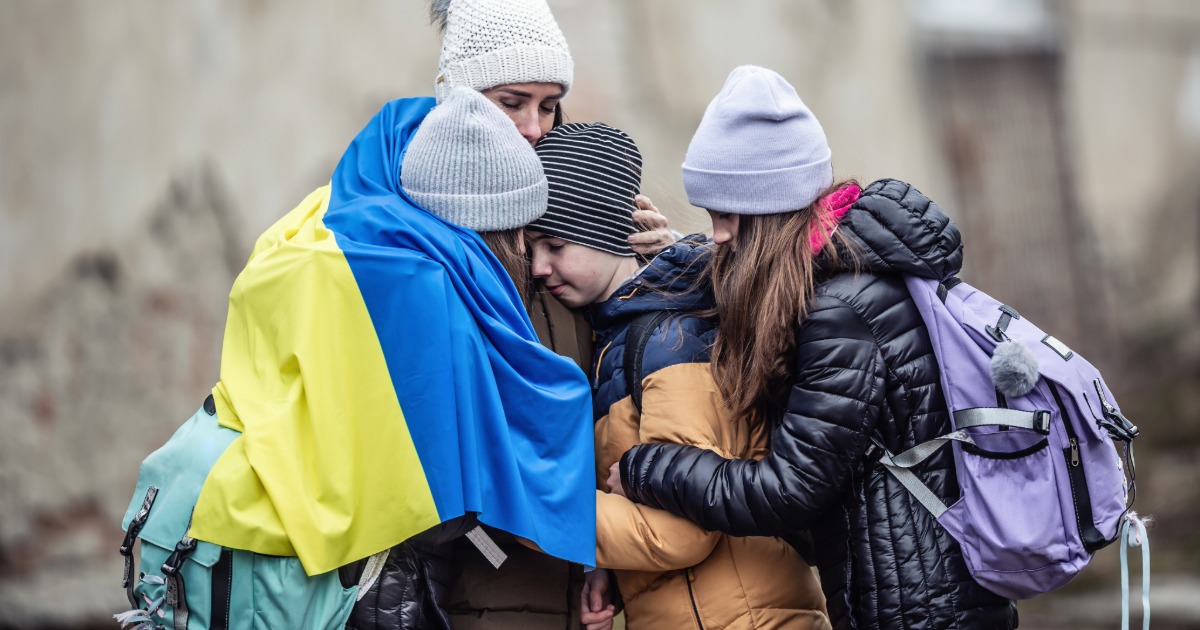
An encouraging message to our Messianic Jewish brothers and sisters in Ukraine

A biblical look at the why, what, when, and how of thankfulness.
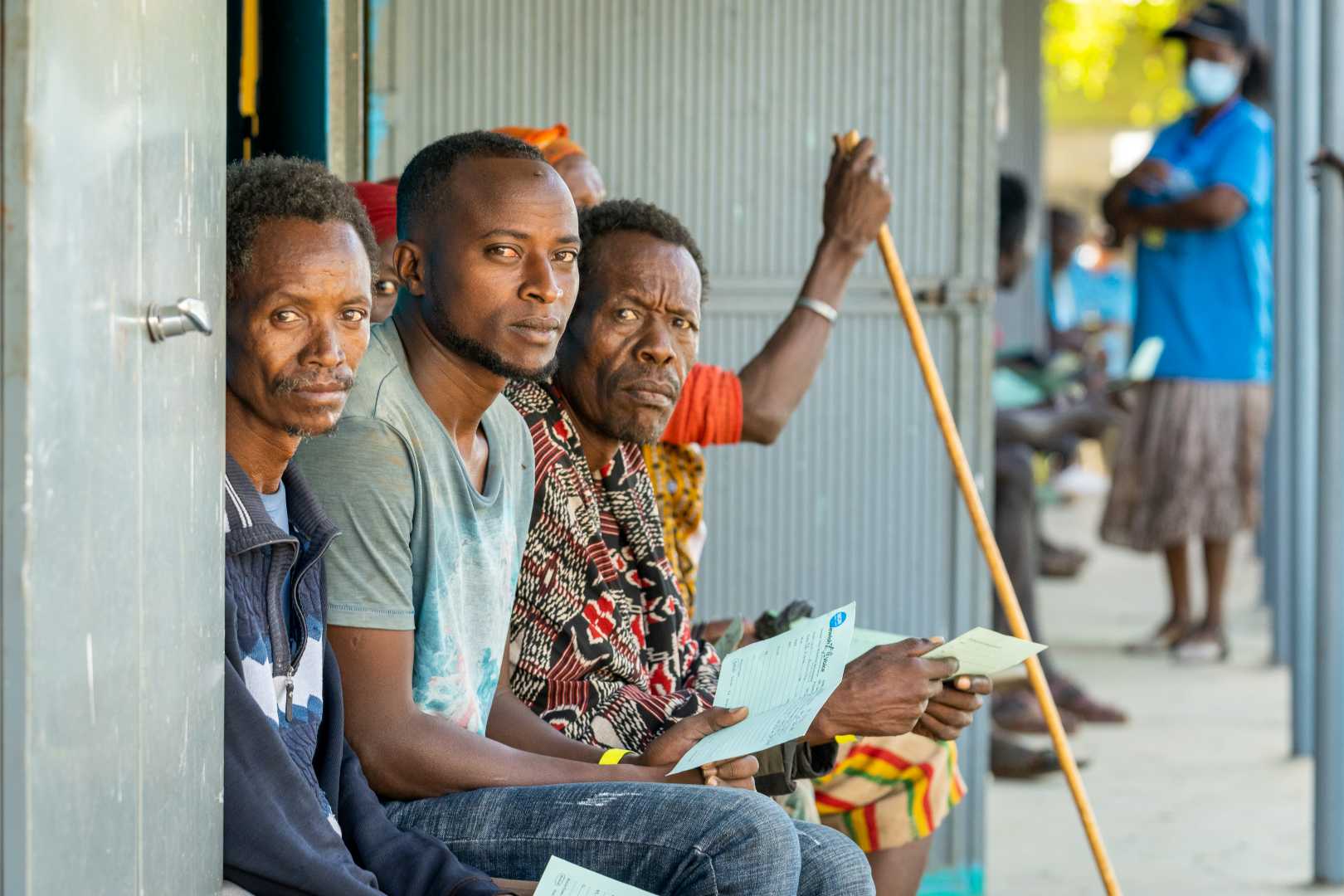
Pray for two locally-led outreaches this month: Ethiopia's Beta Avraham congregation serving the Kechene Jewish community and Zimbabwe's first Lemba-run medical clinic.

Prayer points for the Jewish people during a week of mixed emotions: remembering the October 7 Hamas attack anniversary and celebrating Simchat Torah.
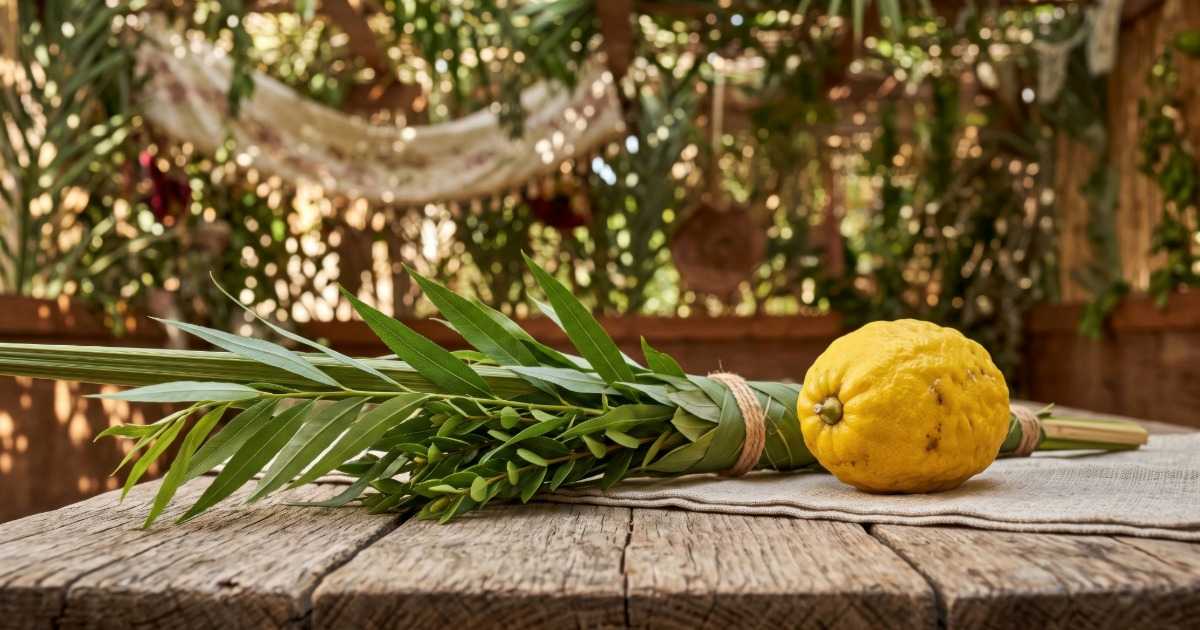
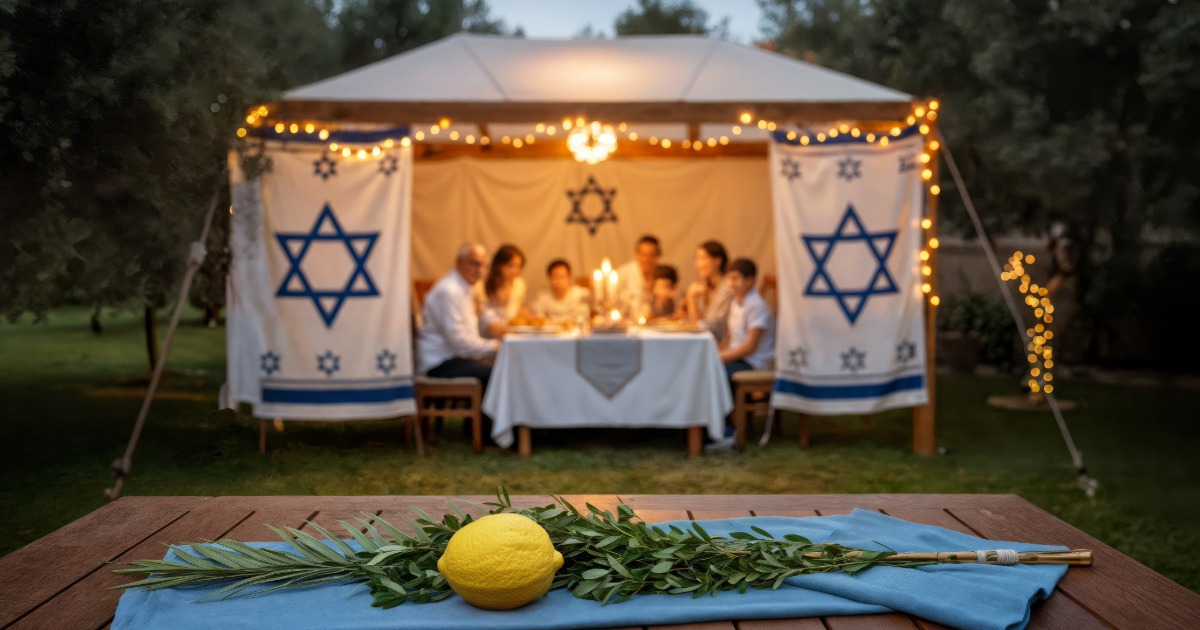
The seven-day Feast of Sukkot is one of the most unusual holidays God established for Israel to observe. In this article, we explain the various observances God commanded for Sukkot and the invitation He includes by adding instructions for an eighth day, which is known as Shemini Atzeret.