Beyond the Broadcast: Our Bold New Season Begins. Watch Now ->
Beyond the Broadcast: Our Bold New Season Begins. Watch Now ->
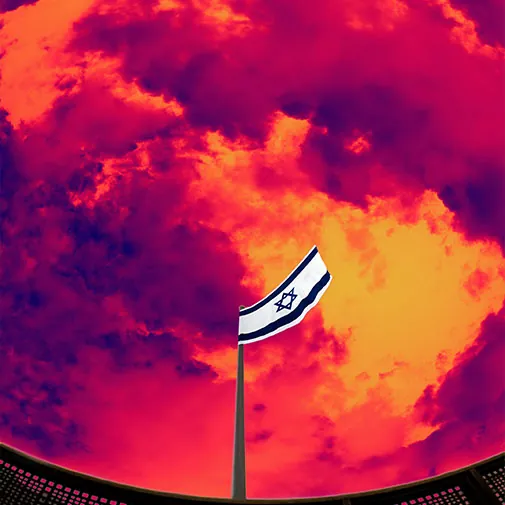
At the peak of Israel’s tourist season, children and parents scrambled out of the Sea of Galilee last week as two ISIS rockets splashed down and exploded, creating a “blast wave” at Israel’s popular Gofra Beach.
“There were two explosions, and we saw (many) people leave the water,” one eastern-shore resident said. “We heard a boom that caused a strong wave in the water.”
A lifeguard at a nearby beach reported seeing ‘something fall’ into the water. “I didn’t see what it was, but I saw the spray from the impact,” she said.
Another witness reported hearing a whistling sound before the impact.
Israeli defense officials concluded that ISIS used the rockets to provoke Israel into attacking the Syrian army, with the purpose of trying to stop President Bashar al-Assad’s assault on ISIS terrorists, reported YNet News.
Because government, Hezbollah and pro-Iranian forces were attacking long-held ISIS positions from the north and east, there was no reason for ISIS to fire to the west. This would mean the rocket attack on Israel’s most popular beach was intentional.
DEBKAfile, an independent website that provides intelligence and security news, reported, “This ruse was staged to lure [Israel Defense Forces] into pinning the blame on, and attacking, the Syrian army, drawing off the counter-ISIS assault.
“The ruse did not work,” the report continued. “The IDF identified ISIS as the source of the rocket fire and struck back after refraining (to do so) for years.”
Retaliation was swift and strong. Later that day, the IDF bombed the rocket launcher and shelled the surrounding area, a pocket of ISIS-held land near the Israel-Syria border.
“In response to the two rockets launched at Israeli territory from Syria, (Israeli) aircraft targeted the rocket launcher,” reported an Israeli army release. “The area surrounding it was targeted by artillery. The IDF will act against any attempt to violate the State of Israel’s sovereignty and undermine the security of its citizens.”
The Russian news agency Sputnik reported that the attack destroyed the rocket launcher and killed several ISIS soldiers, for which Russia praised Israel, saying in a statement, “Russian armed forces command in Syria used the existing communication channels to thank the IDF leadership for killing terrorists and stopping a massive provocation.”
Unfortunately, Israel’s counter-ISIS operation “enabled Syrian, Hezbollah and other pro-Iranian forces to capture the terrorist enclave and reach a point close to the Sea of Galilee,” reported DEBKAfile’s military sources.
The international news agency Reuters explained that “Israel worries that Assad may defy a U.N. armistice that demilitarized much of the Golan, or allow Iranian and Lebanese Hezbollah forces to deploy there.”
We’ll be keeping an eye on developments in Israel related to these events, and will continue to keep you updated.



An encouraging message to our Messianic Jewish brothers and sisters in Ukraine

A biblical look at the why, what, when, and how of thankfulness.
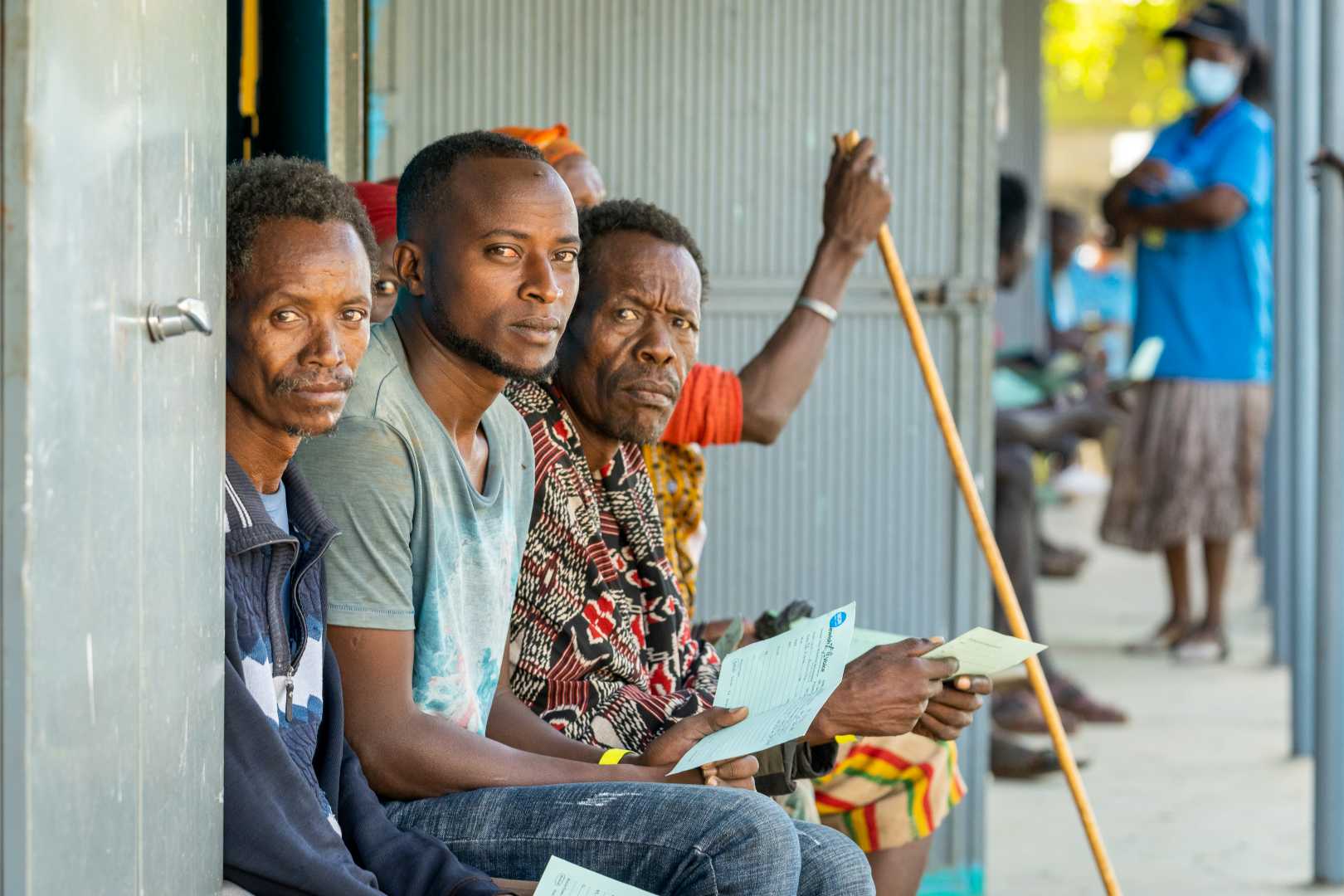
Pray for two locally-led outreaches this month: Ethiopia's Beta Avraham congregation serving the Kechene Jewish community and Zimbabwe's first Lemba-run medical clinic.

Prayer points for the Jewish people during a week of mixed emotions: remembering the October 7 Hamas attack anniversary and celebrating Simchat Torah.

The seven-day Feast of Sukkot is one of the most unusual holidays God established for Israel to observe. In this article, we explain the various observances God commanded for Sukkot and the invitation He includes by adding instructions for an eighth day, which is known as Shemini Atzeret.