Beyond the Broadcast: Our Bold New Season Begins. Watch Now ->
Beyond the Broadcast: Our Bold New Season Begins. Watch Now ->

It may help to clarify some definitions first.
Messianic Jews are Jewish by heritage and believe Yeshua (Jesus) is the Messiah promised in the Holy Scriptures. Messianic Jews are Jewish by blood, having either a mother or father who is Jewish. The Messianic Movement, however, also includes many Gentiles who embrace the belief that the New Covenant the roots of faith in Yeshua are Jewish. These are Messianic Gentiles.
Chanukah and Christmas commemorate two different historical events, but they align well. with each other.
Chanukah celebrates the liberation of the Jews from the Greco-Syrian Empire in 165 B.C.E., and the miracle that occurred as the Jewish people rededicated the defiled Temple.
Antiochus Epiphanes had oppressed the Jews and forced them – by the sword – to worship idols. He desecrated the Temple with a statue of Zeus and sacrificed a pig on the altar. The Maccabees, a small group of Jewish revolutionaries, miraculously overcame the greatest empire in the world at that time and took back the Temple.
Afterward, the Jewish people set out to purify and rededicate God’s holy dwelling place. They could only find enough oil to burn for one day in the Temple menorah, and the process to make and consecrate more took eight days. God provided another miracle by making the small amount of oil last the entire eight days.
The word Chanukah means consecration or dedication, so the holiday is also known as the Feast of Dedication. Because of the miracle of light, it is also called the Feast of Lights.
Christmas, of course, celebrates the birth of Yeshua who is the Light of the World. John chapter 10 reveals that Yeshua Himself observed Chanukah. When Messianic Jews light the chanukiah (the Chanukah candelabrum), we celebrate Messiah Yeshua’s coming as Light to bring us redemption.
With the Shamash (SHAH-mahsh), also known as the Servant Candle, we light the chanukiah each night, recognizing that the Holy Scriptures prophesied Yeshua as the “suffering servant” who would take our sin onto Himself (Isaiah 53). During His ministry, Yeshua declared that He did not come to be served but to serve (Matthew 20:28). Interestingly, in Jewish tradition, the Shamash sits in the center of the eight Chanukah candles and elevated. One could even say lifted up.
Chanukah is a beautiful holiday commemorating God’s power to intervene, rescue, and provide for His people. Like the Feasts of the Lord outlined in Leviticus 23, Chanukah looks ahead to reveal the coming of Messiah Yeshua, and Gentile Believers can freely celebrate it.
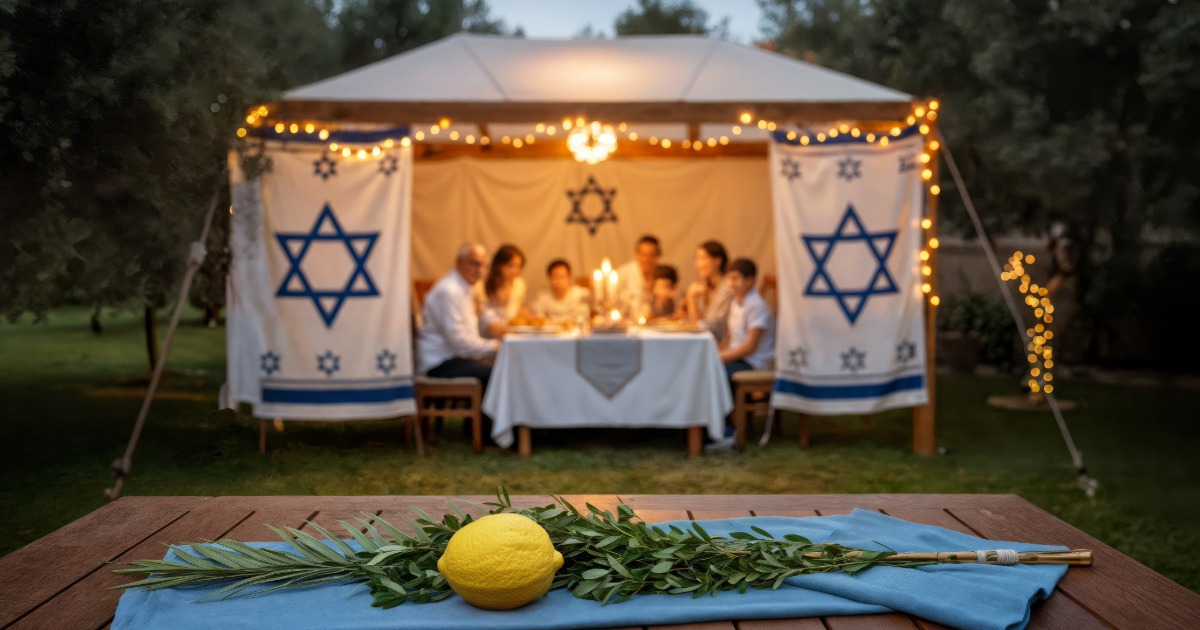
Most biblical scholars agree that Yeshua was not born on December 25th but sometime earlier in the year, perhaps around Sukkot (soo-KOTE) in the fall. The Church adopted the date as a way of providing Believers the opportunity to honor Yeshua and also counter a pagan holiday celebrated at the same time. This, along with the rich symbolism in Chanukah that speaks of Yeshua, leads most Messianic Jews to honor His coming at Chanukah rather than Christmas.
Chanukah and Christmas include miracles, light and dedication. Whether Messianic Jew or Gentile, both holidays point our attention to Yeshua, the Light of the World, and how God intervened to provide our freedom. Each beckons us to whole-hearted dedication to Him.


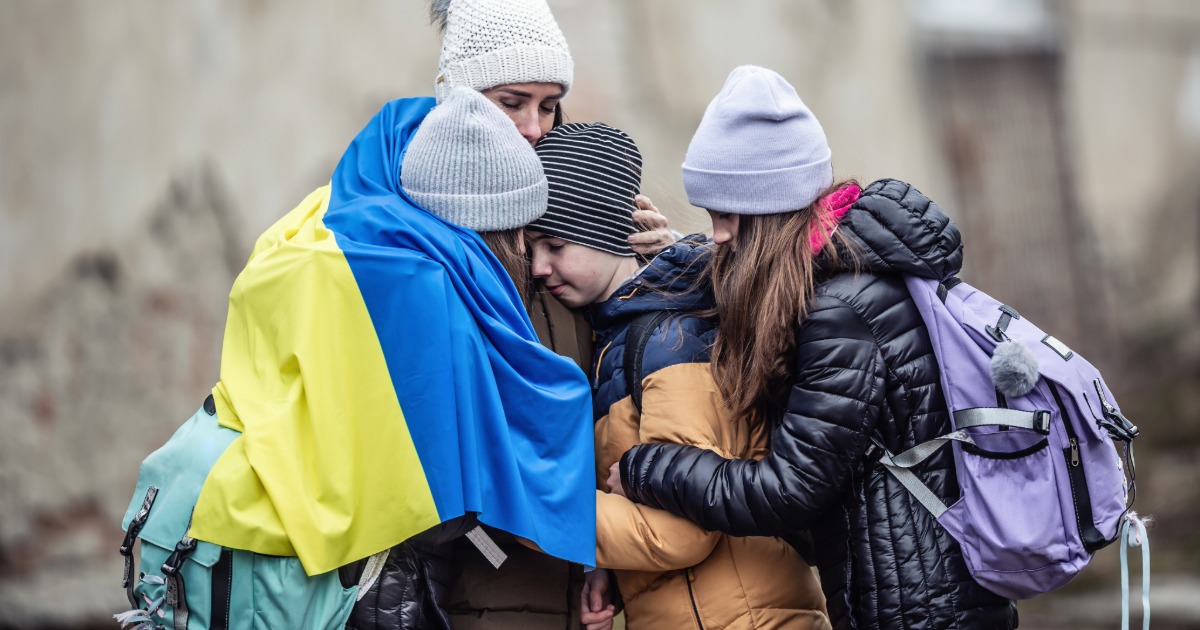
An encouraging message to our Messianic Jewish brothers and sisters in Ukraine

A biblical look at the why, what, when, and how of thankfulness.
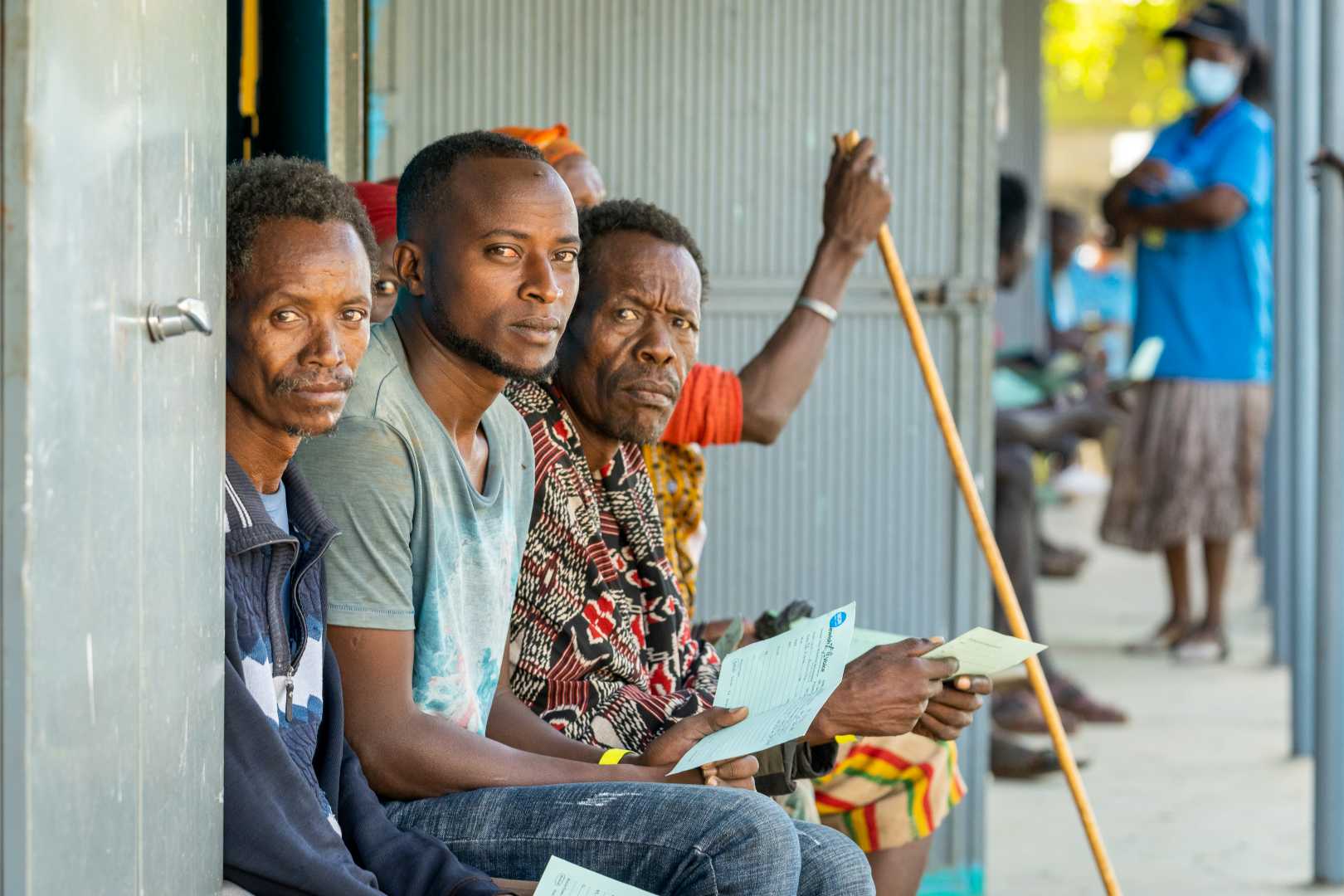
Pray for two locally-led outreaches this month: Ethiopia's Beta Avraham congregation serving the Kechene Jewish community and Zimbabwe's first Lemba-run medical clinic.

Prayer points for the Jewish people during a week of mixed emotions: remembering the October 7 Hamas attack anniversary and celebrating Simchat Torah.
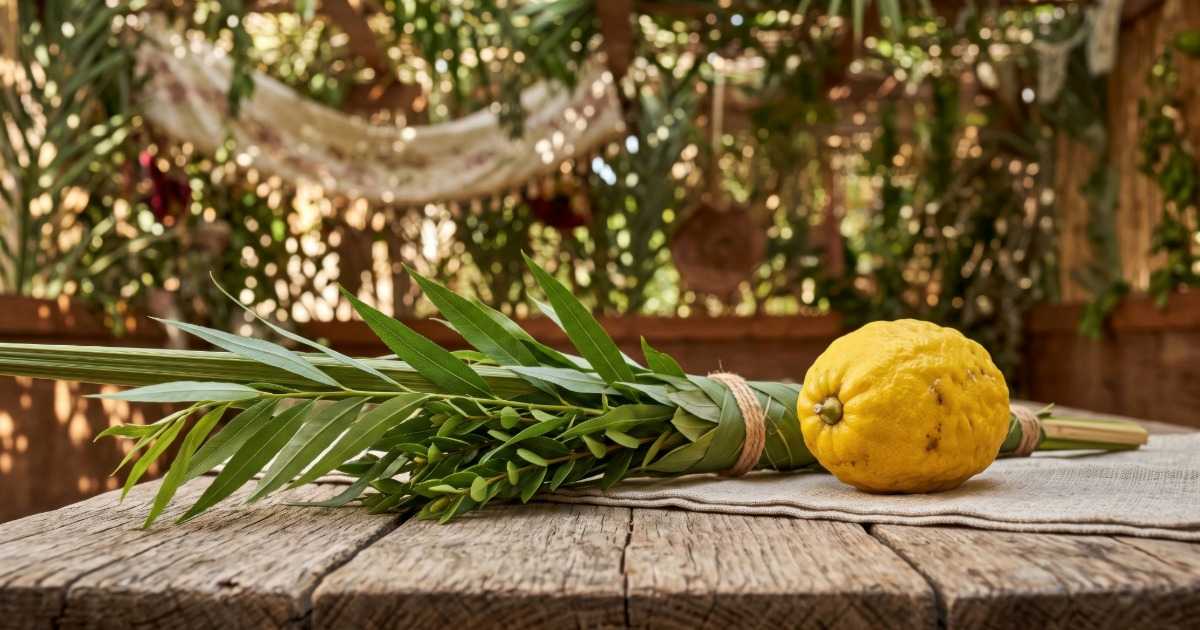
The seven-day Feast of Sukkot is one of the most unusual holidays God established for Israel to observe. In this article, we explain the various observances God commanded for Sukkot and the invitation He includes by adding instructions for an eighth day, which is known as Shemini Atzeret.